Bishop Peter Brown, CSsR of Samoa-Pago Pago

Image

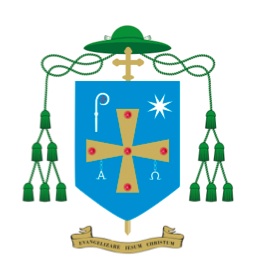
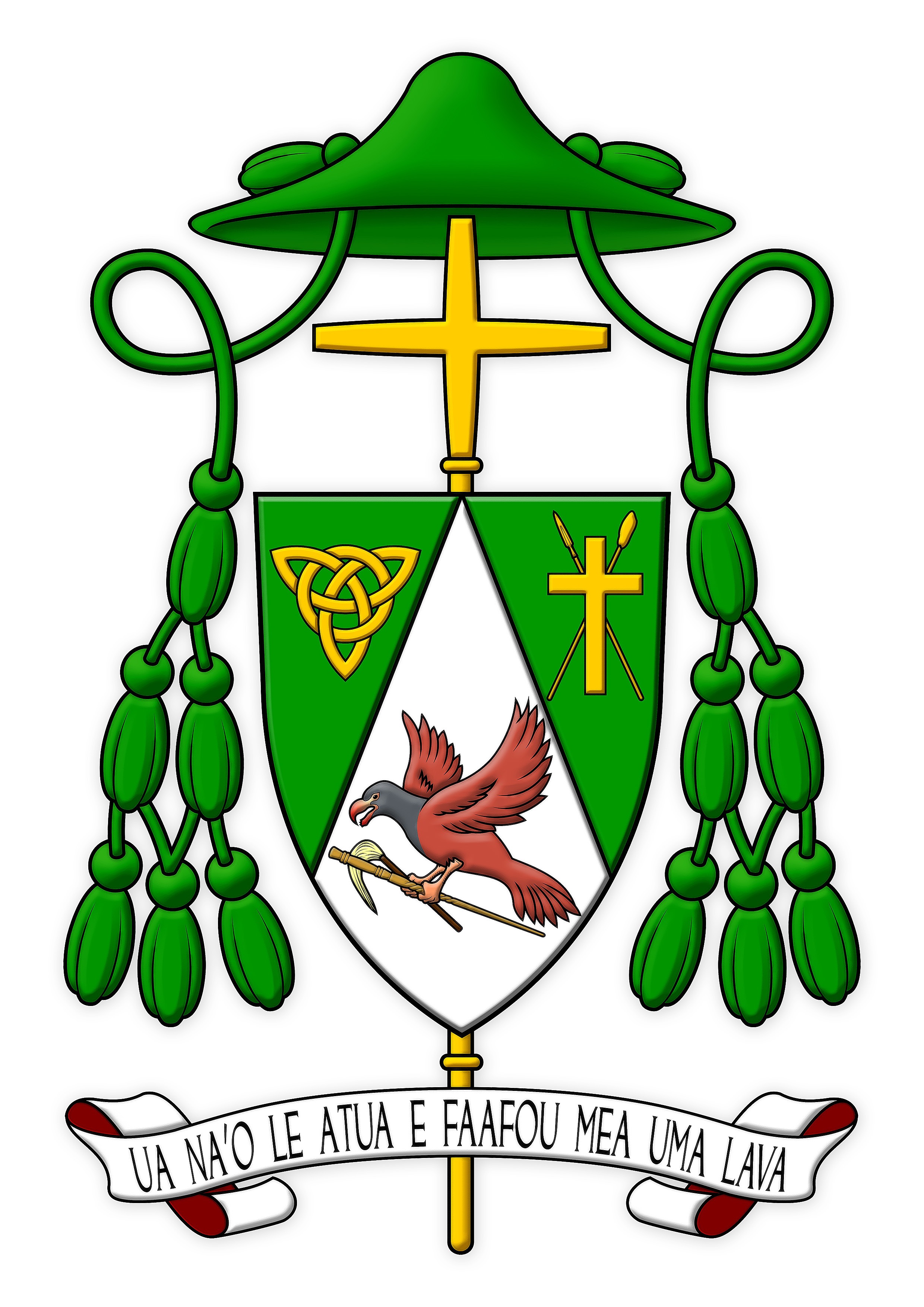
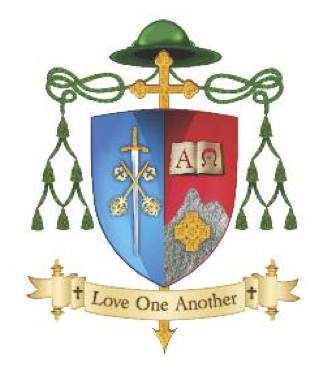
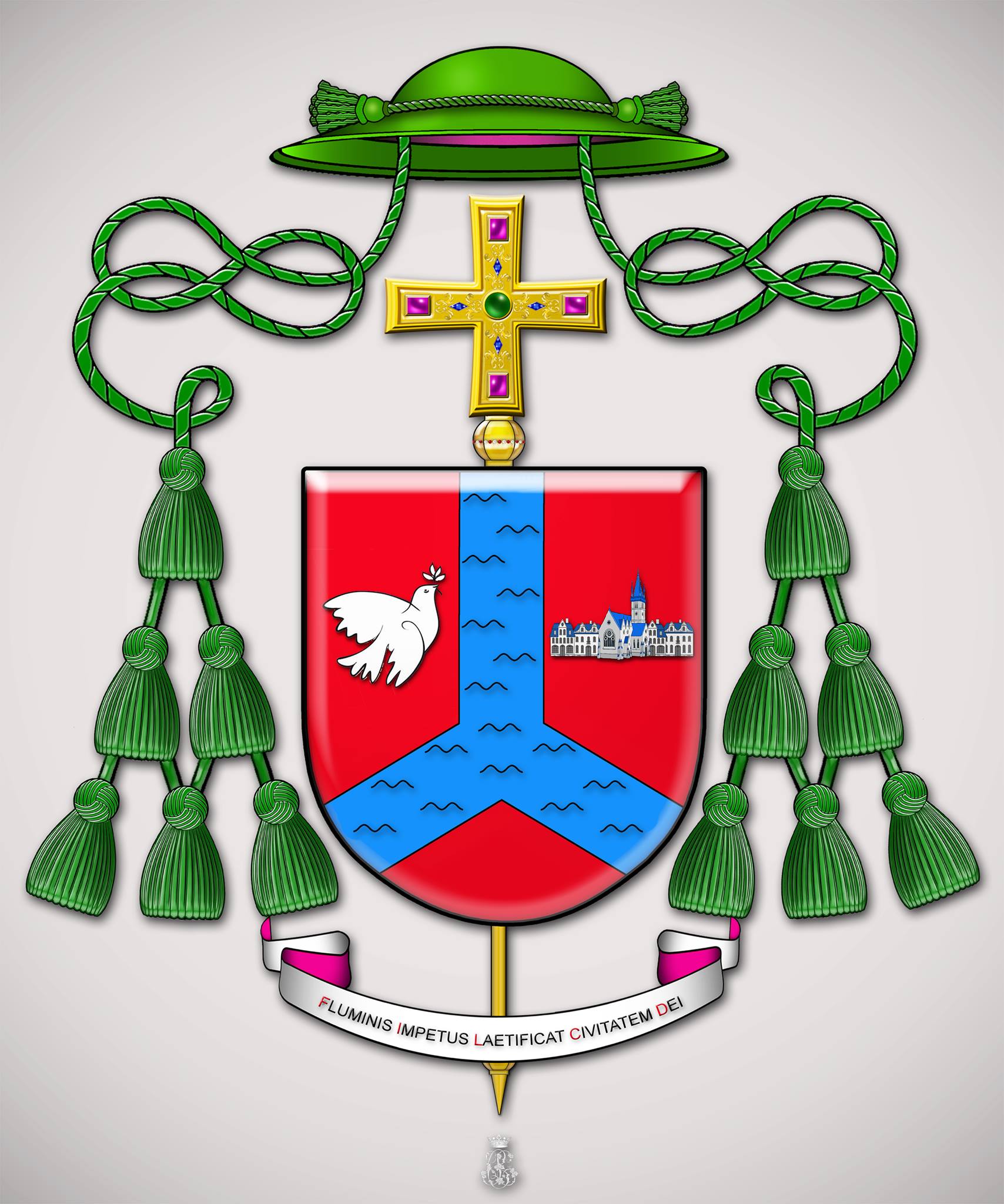
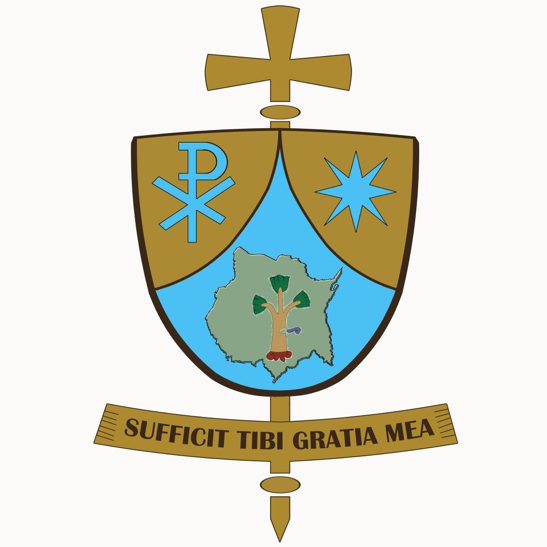
The coat of arms of the Most Rev. Peter Brown, CSsR who will be ordained a bishop and installed as the Bishop of Samoa-Pago Pago in American Samoa on August 22, the Feast of the Queenship of Mary.

The arms are loosely based on the flag of American Samoa and also contain symbols of the bishop’s native place in New Zealand, the Holy Family, his Religious Community and the Pacific Islands where he will serve as bishop.

The coat of arms was designed by me and Mr. Richard d’Apice and here rendered by Mr. Sandy Turnbull.

Bishop Caggiano of Bridgeport, CT

Image

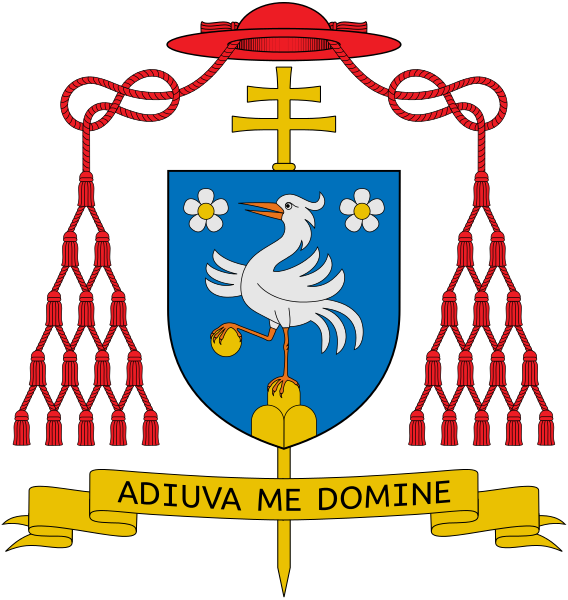
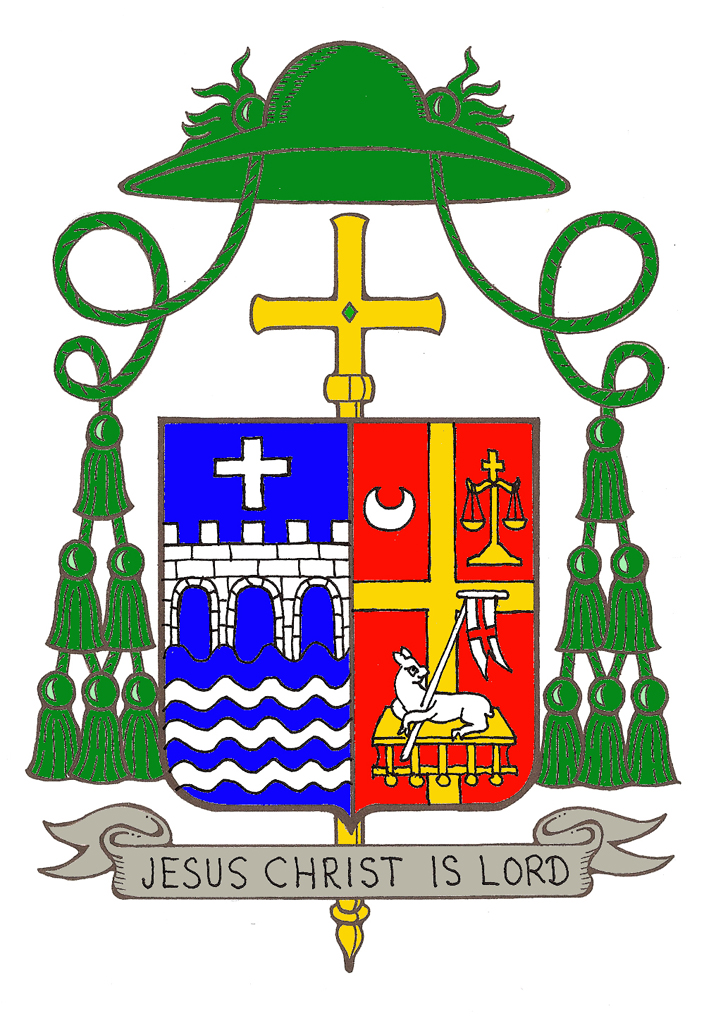
Yesterday, July 31 His Holiness, Pope Francis appointed the Most Rev. Frank Caggiano, Auxiliary Bishop of Brooklyn, to be the fifth bishop of Bridgeport, Connecticut. His coat of arms, adopted at the time he was ordained an auxiliary bishop reflects his native diocese (the crescent is a symbol of the Immaculate Conception, patroness of the Brooklyn diocese), his background in Canon Law (the scales of justice) and his devotion to Jesus, the Lord, the Lamb of God. These personal arms harmonize well with the attractive “canting” arms of the Bridgeport diocese.

Ad Multos Annos!

NOTE: It has been discovered that the scales of justice in this case are not a symbol of Canon Law but of St. Michael the Archangel, to whom the bishop has a great devotion.

The Coat of Arms of Prince George of Cambridge

Quite a few people have asked me what the newborn Prince George of Cambridge’s coat of arms will look like. The answer is: it won’t look like anything. At least not until he is 18. A coat of arms is devised for royal children when they come of age. Prince George won’t be 18 until the year 2031 by which time he may find himself in a very different position from being third in line to the throne. So, it’s a moot point until then.

Belgian Royal Heraldry

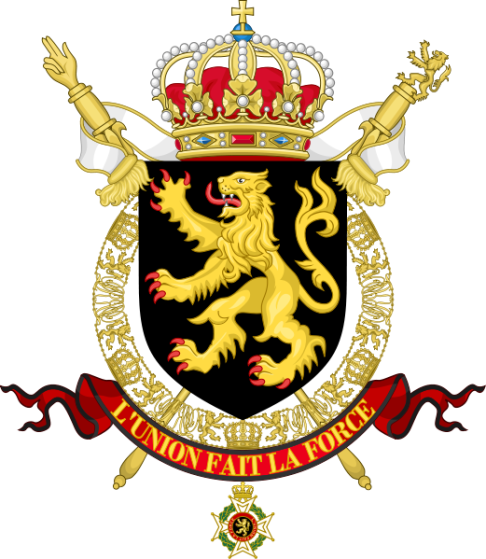
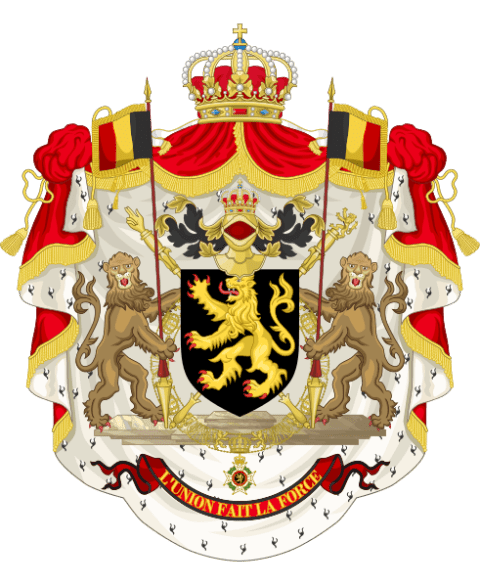
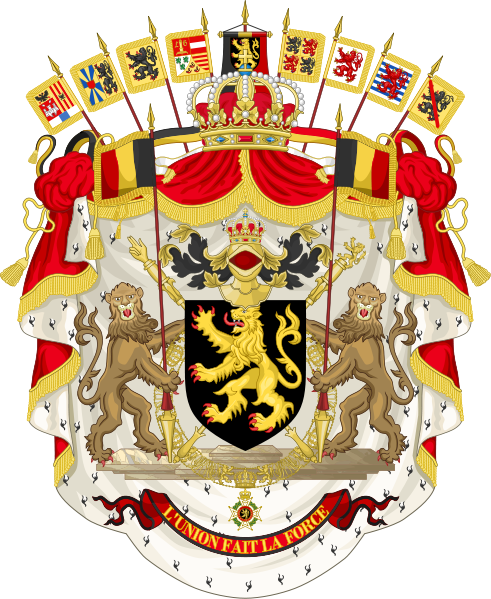
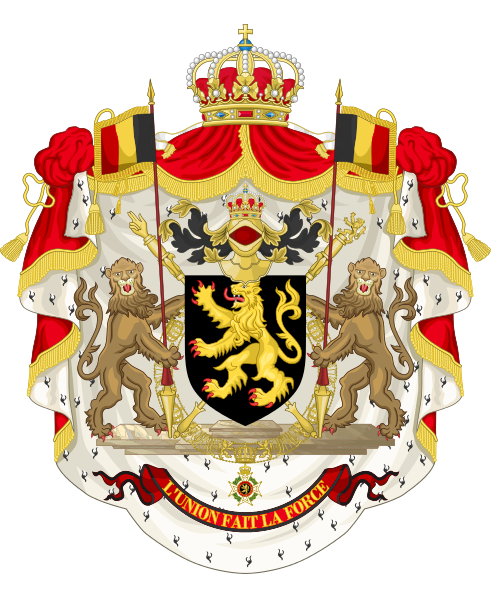
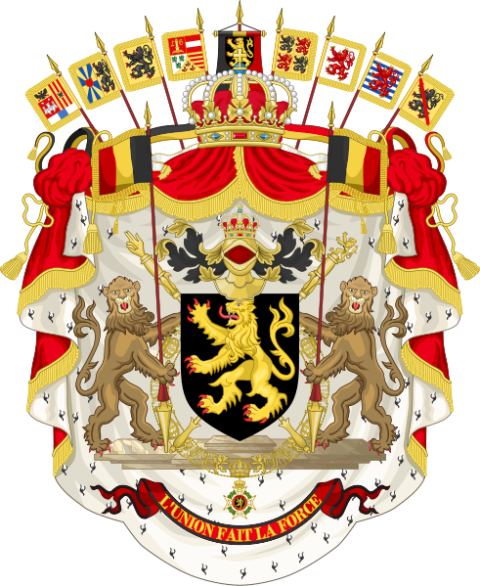
The shield is emblazoned: “Sable a lion rampant Or, armed and langued Gules surmounted by a helmet with raised visor, with mantling Or and Sable and the royal crown in lieu of a crest”. Behind the shield are placed a hand of justice and a sceptre with a lion. The grand collar of the Order of Leopold surrounds the shield. Two lions guardant proper support the shield as well as a lance with the national colors black, yellow and red. Underneath the compartment is placed the motto: “L’union fait la force” in French or “Eendracht maakt macht” in Dutch. The whole is placed on a red mantle with ermine lining and golden fringes and tassels, ensigned with the royal crown. Above the mantle rise banners with the arms of the nine provinces that constituted Belgium in 1837. They are (from left to right) Antwerp, West Flanders, East Flanders, Liége, Brabant, Hainaut, Limburg, Luxembourg and Namur.

This greater arms is used only rarely as on the great seal that is affixed to laws and international treaties.

Since the province of Brabant was split into Flemish Brabant, Walloon Brabant and Brussels in 1995, the greater arms no longer reflect the present territorial divisions of the state. The changes made to the arms of the Flemish provinces as a result of this decision, are not reflected in the great seal either.

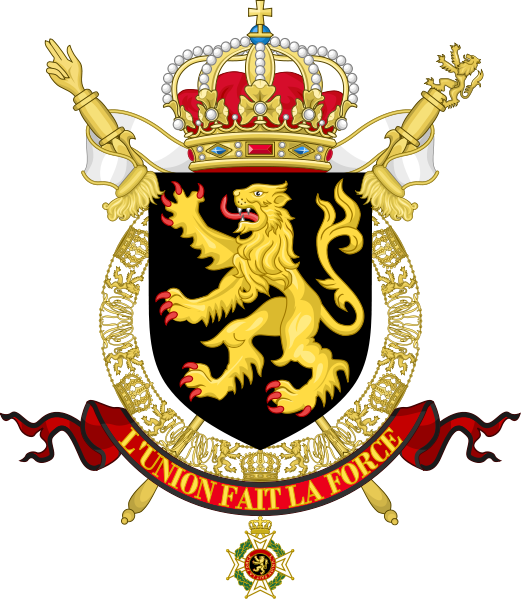
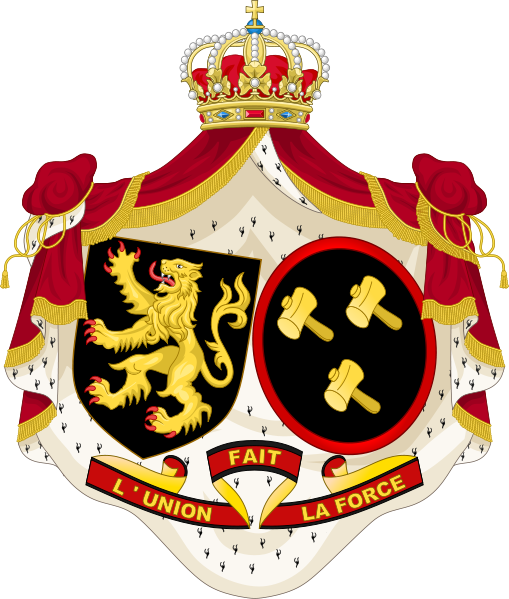
The lesser coat of arms (as used by the Belgian federal government, on passport covers and the official sites of the monarchy and of the government) consists of the shield, the royal crown, the crossed sceptres, the collar of the Order of Leopold and the motto.

There is also a middle version used on occasion as well. All three are illustrated below.
Image

Image

Image

New King of the Belgians

Image

This weekend in Belgium King Albert II will officially abdicate and be succeeded by his son, the Duke of Brabant, who will become King Philippe I. There is no coronation ceremony in the Belgian monarchy. Instead, after a solemn Te Deum is sung at the cathedral there will be the formal abdication of the King. This is followed by the swearing in of the new King before the Belgian Parliament. The crown is used as a heraldic emblem by the King but an actual crown does not exist. The King rules by the consent of the people which is why there is no King “of Belgium” but instead a King “of the Belgians”. The arms above are of Philippe and his wife, Mathilde.

Bishop of Cuernavaca

Image

The coat of arms of Bishop Ramón Castro Castro of Cuernavaca, Mexico who was installed on July 10th. It seems apparent that he based the overall design on the arms of Pope Benedict XVI who also employed the tripartite chape ployé. It is also interesting to see that he chose to omit the galero and use simply the episcopal cross to ensign the shield as I had just been remarking about recently.

Wimbledon

Image

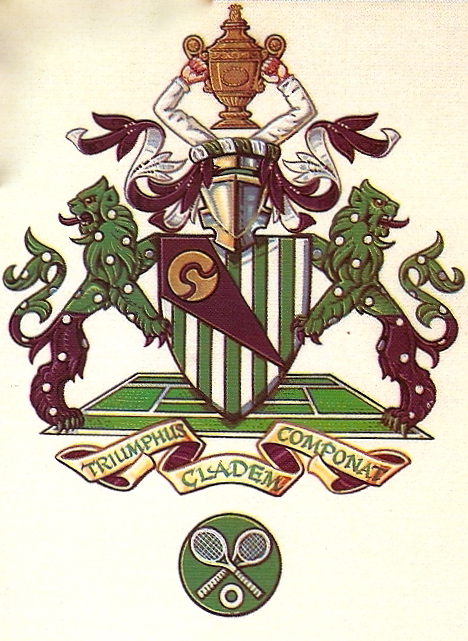
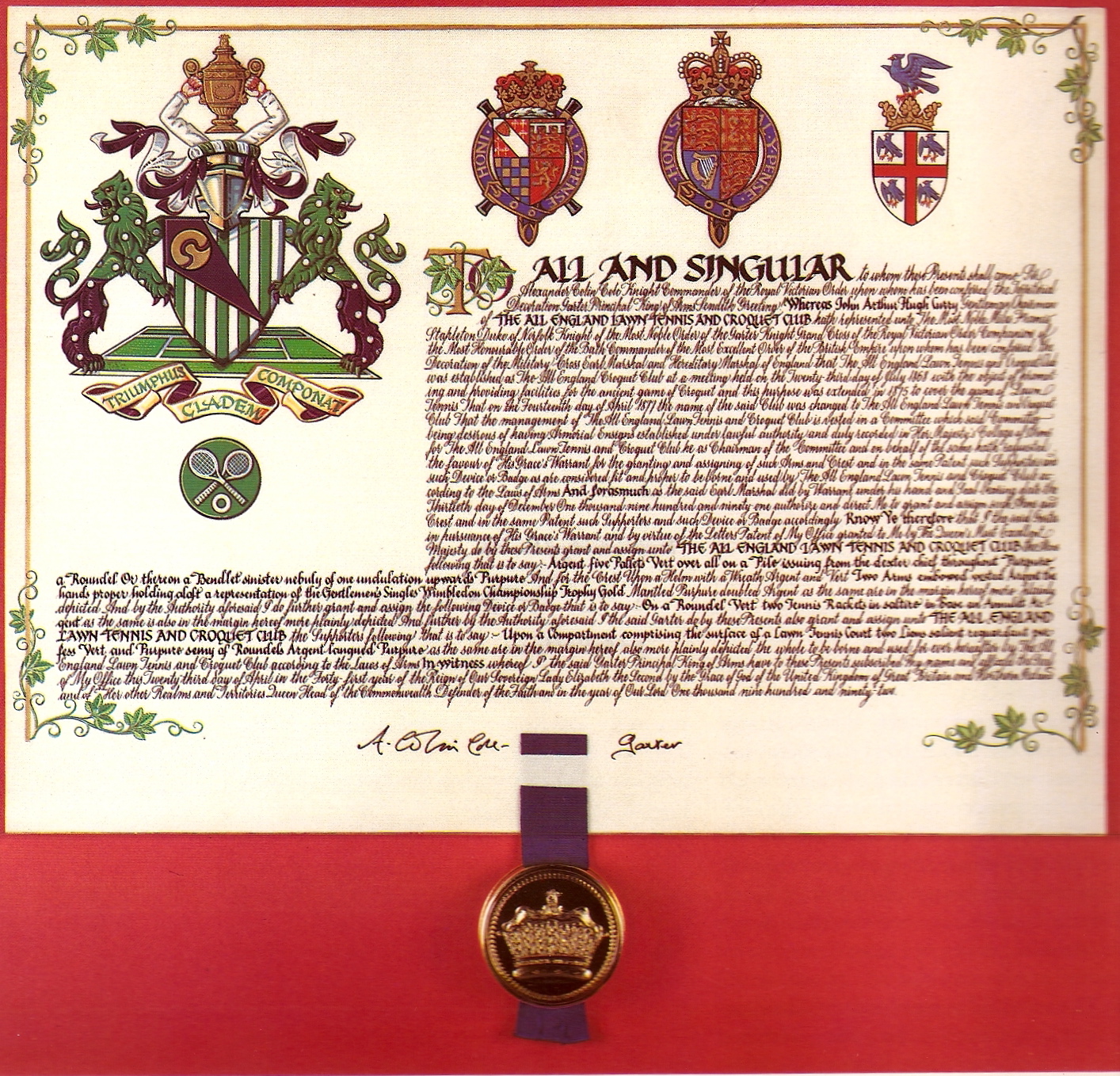
Congratulations to Andy Murray on his win of the championships at the All England Lawn Tennis and Croquet Club (more commonly known as Wimbledon). The first British man to win since 1936. Of course the AELTC has a coat of arms and a badge, which is more frequently used as a kind of “logo” granted under Garter Colin Cole in 1992. It is England, after all! The arms and badge are pictured above and the entire Letters Patent of the grant of arms is below.

Image

Most Rev. Anthony G. Bosco RIP

Image

The Most Rev. Anthony G. Bosco (August 1, 1927-July 2, 2013) who served as Third Bishop of Greensburg, Pennsylvania from 1987-2004 has passed away. He was the bishop who installed me in the Ministry of Acolyte on my way to the priesthood. His coat of arms with the distinctive single charge of an oak tree as an allusion to the name “Bosco” was designed by the late Prof. Géza Grosschmid, who was my mentor in heraldry, and emblazoned by none other than the late (great) Abp. Bruno B. Heim. In fact, the bishop’s personal arms were used by Heim as part of the cover art for his seminal work, “Heraldry In The Catholic Church” (1978). Bishop Bosco purposely didn’t use a galero in his coat of arms and preferred to use the one external ornament that is exclusive to and truly indicates the coat of arms of a bishop. Namely, the episcopal cross. May he rest in peace.

Armigerous Signers of the Declaration of Independence

Image

Thanks to the fine research and work of Mr. Joseph McMillan of the American Heraldry Society we know what the coats of arms of those armigerous (i.e. bearing a coat of arms) signers of the Declaration of Independence are. So much for the erroneous idea that heraldry is pointless and foreign in American culture. If you wish to see a key identifying them you can view it at the website of the American Heraldry Society.

Impalement is Not the Only Option

Image

Here we see the coat of arms of Cistercian Abbot Christian Feuerstein, the Abbot of Monastery Rein in Steryia. Rather than marshaling his own arms with those of his abbey together on one shield by impaling them or by dimidiation his personal arms are depicted on a separate shield from those of the abbey thus retaining the clarity of each. His family name means “fire-stone” so his personal arms depict a flint being struck by steel to make fire. The two shields are then both surmounted by the external ornaments of an abbot, in this case the method often favored in Europe outside Italy of using the mitre and veiled crozier instead of the Roman galero. This is not, in the opinion of many, myself included, exactly correct. The galero should be used but, as I said, this more ancient method of ensigning the arms of an abbot is still employed by some.

Sir Saint Thomas More (Feast day: June 22)

Image

Saturday, June 22 is the Feast day of St. Thomas More (along with his fellow martyr to conscience, St. John Fisher) who was brutally murdered by the heretic-adulterer, Henry VIII for defending the Catholic faith. He served as Henry’s Chancellor and was one of the greatest intellects of his day. He is also regarded as one of the first great Christian Humanists.

Saint John Cardinal Fisher (Feast day: June 22)

Image

Saturday, June 22 is the Feast day of St. John Fisher (along with his fellow martyr to conscience, St. Thomas More) who was brutally murdered by the heretic-adulterer, Henry VIII for defending the Catholic faith. He was the Bishop of Rochester in southern England and was created a cardinal while under harsh imprisonment by his cruel tyrant of a king.

Bishop Seitz of El Paso

officialseitzcoa

On July 9, Bishop Mark Seitz will be installed as the new bishop of El Paso, Texas. The bishop himself explains the symbolism of his coat of arms on the diocesan website:

In the diocesan arms (left) the blue and white honor Our Lady under the title of the Immaculate Conception, Patroness of the United States.  The wavy border symbolizes the Rio Grande River.  In the diocesan crest the river surrounds the “Ysleta”, or little island, which was the first name of El Paso. The two long triangular forms represent the mountains that form the pass for which the diocese is named.  They are topped by trefoils.  These, along with the triangular mountains, both invoke the Trinity which is at the foundation of the Faith.  The trefoils are also a homage to the titular patron of the Cathedral, St. Patrick. The star above the lower image is both a remembrance of the Lone Star for which Texas is named and the North Star, a reference to the full early name of “El Paso del Norte”.  For Christians, the North Star is also Christ who points them to their true home in heaven. In the upper left-hand corner is an anchor from the coat of arms of St. Pope Pius X, who erected the diocese.

The bishop’s personal arms contain the red “Rose for Life”.  The trefoil (shamrock) speaks to his Irish heritage. The pattern dividing the chief from the rest of the field is intended to honor the Native American heritage that he shares and his desire to serve our first Americans. It is really rather un-heraldic and un-blazonable. The winged lion is the symbol for St. Mark the Evangelist.

Bishop Walkowiak of Grand Rapids, Michigan

Image

The coat of arms of the Most Rev. David Walkowiak who was ordained and installed today as Bishop of Grand Rapids, Michigan. In his personal arms the bend with wavy lines alludes to St. Mary’s Seminary in Cleveland where he studied for the priesthood. The five small silver lines or “barrulets” that make up the waves stand for the five great lakes. The crowned harp is an allusion to King David, his baptismal patron, who is thought to have composed the Psalms. In base the flour-de-lis is a symbol of Our Lady and also of St. Joan of Arc, the patroness of the parish in Ohio where the bishop used to serve as a pastor.

The arms of the diocese represent falling water or rapids in the Grand River, hence, Grand Rapids and the cross moline alludes to a mill rind thus symbolizing the agrarian roots of the region.

A Moment of the Genuine Heraldry Nerd in Me Coming to the Fore

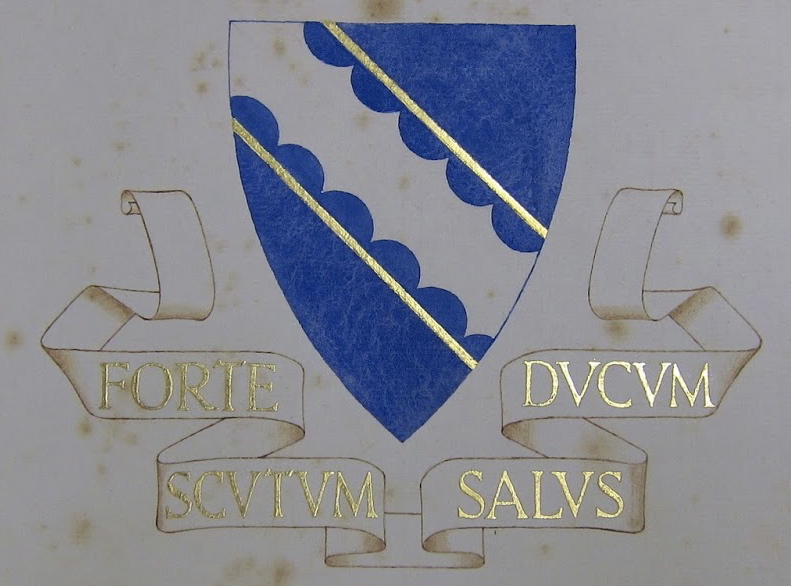
A true gem for my collection came in the mail today. The deluxe edition in publisher’s morocco binding of “The Heralds’ Commemorative Exhibition 1484-1934”, example no. 252/300 which also happens to have George Viner, FSA’s bookplate in it. This is one I’ve been trying to get hold of for some time and now I finally have it. It’s going to be a highly prized addition to my personal library.