
New Lord Lyon Takes Up His Office
Leave a reply
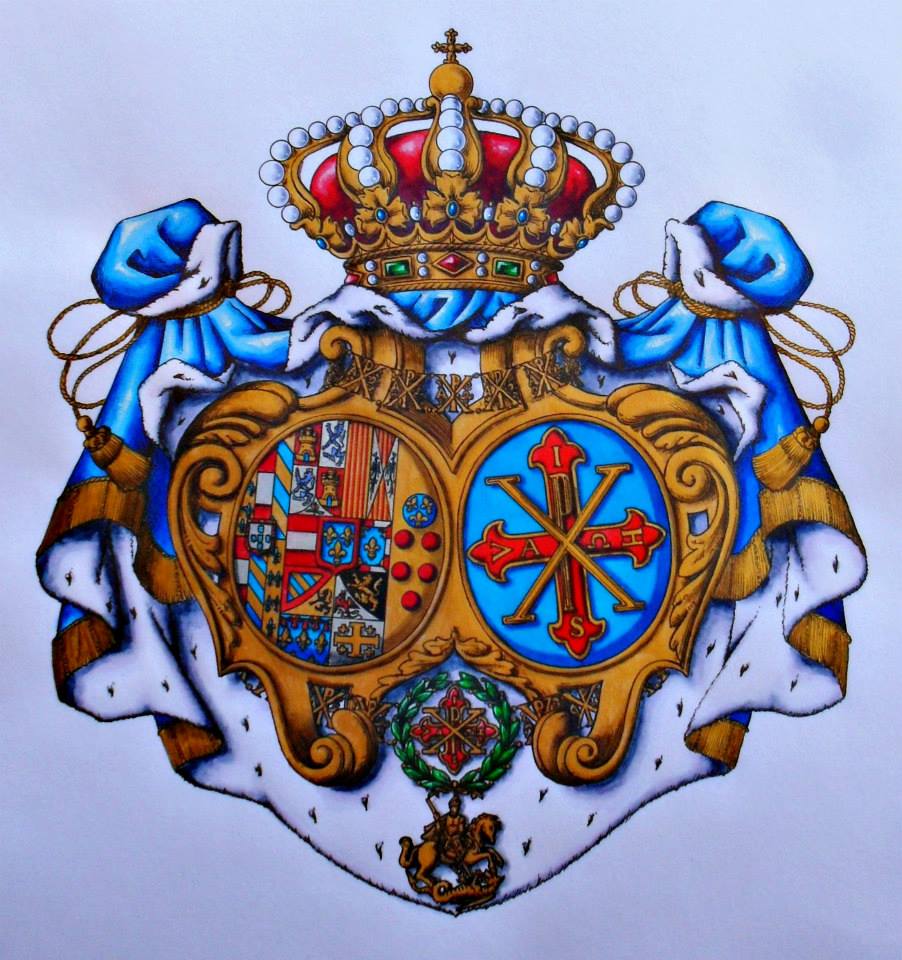
It was announced yesterday that the Duke of Noto (Spanish branch) and the Duke of Castro (Neapolitan branch) of the royal house of the Two Sicilies signed an accord which, while it does not completely solve the issue of the headship of the royal house more closely ties the two heads of the royal orders together in closer cooperation as co-grand masters with equal footing of the Sacred Military and Constantinian Order of St. George. This is a positive step toward healing a very long-standing rift.
(artwork by Carlos Navarro)
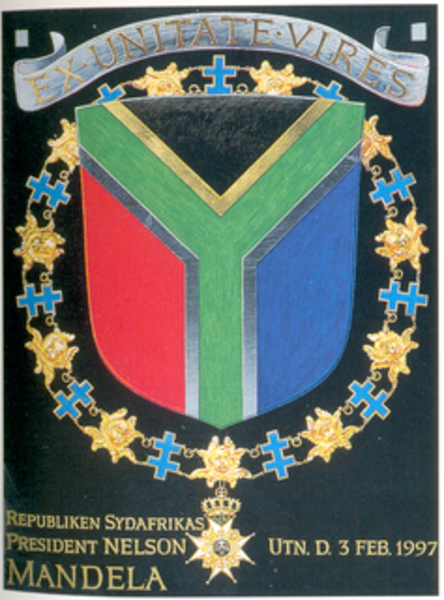
The national flag of South Africa (NOTE: I had originally written it was the coat of arms of South Africa but the South African state arms are a separate design entirely from the flag), used as a coat of arms by President Mandela when he had the Order of the Seraphim conferred on him by the King of Sweden.
May he rest in peace.
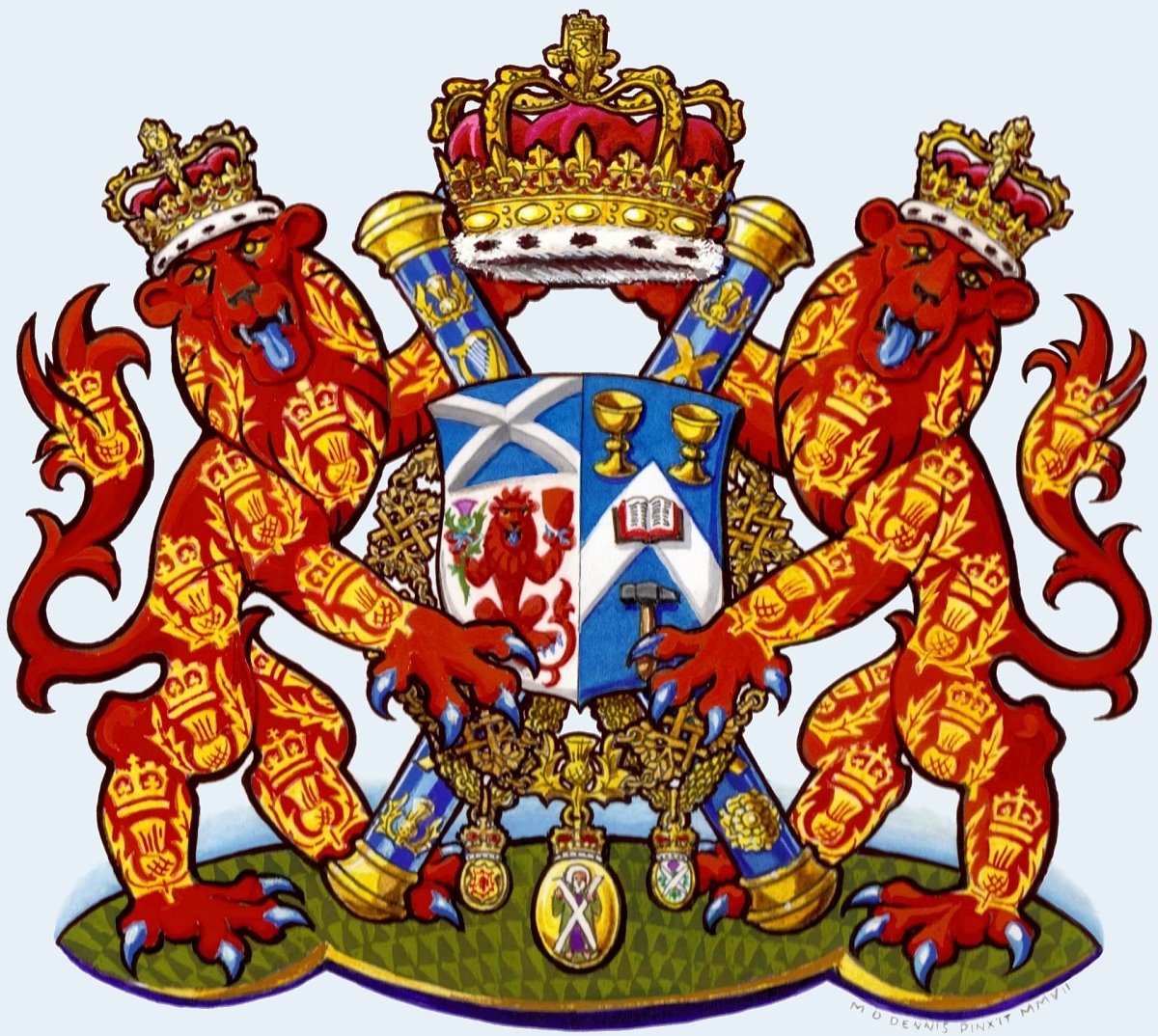
The Office of Lord Lyon King of Arms will fall vacant at the end of December 2013, when Mr. David Sellar the current Lord Lyon steps down. The Lord Lyon is appointed by Her Majesty, the Queen on the recommendation of the First Minister under section 3 of the Lyon Kings of Arms (Scotland) Act 1867.
The Lord Lyon is the sole King of Arms in Scotland. He is the Head of the Heraldic Executive and the Judge of the Court of the Lord Lyon, which has jurisdiction over all heraldic matters in Scotland. The office has both judicial and administrative functions. The Lord Lyon is also responsible for State Ceremonial in Scotland.
Applications to fill this Office must be legally qualified. An independent panel will consider the applications and make recommendations to the First Minister.
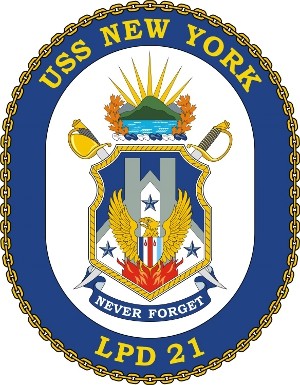
This is the emblem containing the coat of arms of the USS New York a naval vessel of the US Navy. The ship was constructed with seven tons of steel recovered from the wreckage of the World Trade Center in its bow. The twin towers and a chevron. representing the bow of the ship form a central feature in the coat of arms. The phoenix rising from the ashes is an allusion to carrying on and rebuilding the World Trade Center in the aftermath of the terrorist attack. The escutcheon on the breast of the phoenix contains the colors of the first responders on 9/11: the NY police department, NY fire department and the Port Authority of New York & New Jersey. The drops of blood on the escutcheon commemorate the fallen. The three stars depicted are for those earned by the former battleship USS NEW YORK (BB34) in World War II at Iwo Jima, Okinawa and North Africa. Above the shield the crest is taken from the central landscape charges on the coat of arms of the State of New York. Here the rays of the sun are depicted as seven in imitation of those radiating off the crown atop the Statue of Liberty in New York harbor.
This may not be the best heraldic design I’ve ever seen but it is a fine example of how heraldry, even in our own time, can be filled with poignant meaning and, in a simple artistic design, depict and commemorate so much. This coat of arms was devised, as are all US military insignia by the US Army’s Institute of Heraldry in Virginia.
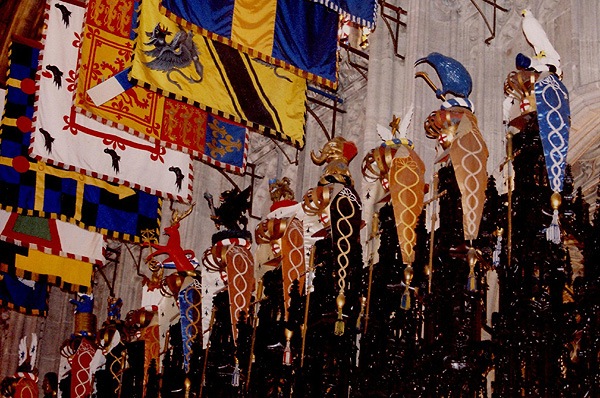
This photo illustrates something well. The banners at the top of the photo contain the coats-of-arms of the individuals who bear them. In the middle part of the photo there are those sort of dorky looking statues standing on top of the helmets. THOSE are crests. (They are placed at the crest of the helmet…get it?) The two terms are NOT synonymous. Many people use the word crest to mean a coat-of-arms. I know, those extra two syllables are a killer to have to say! A crest is a part of the full achievement of arms but it may be depicted alone. However a coat-of-arms and a crest are different things.

On August 22, 1485 King Richard III was defeated and killed at the Battle of Bosworth.
Quite a few people have asked me what the newborn Prince George of Cambridge’s coat of arms will look like. The answer is: it won’t look like anything. At least not until he is 18. A coat of arms is devised for royal children when they come of age. Prince George won’t be 18 until the year 2031 by which time he may find himself in a very different position from being third in line to the throne. So, it’s a moot point until then.
The shield is emblazoned: “Sable a lion rampant Or, armed and langued Gules surmounted by a helmet with raised visor, with mantling Or and Sable and the royal crown in lieu of a crest”. Behind the shield are placed a hand of justice and a sceptre with a lion. The grand collar of the Order of Leopold surrounds the shield. Two lions guardant proper support the shield as well as a lance with the national colors black, yellow and red. Underneath the compartment is placed the motto: “L’union fait la force” in French or “Eendracht maakt macht” in Dutch. The whole is placed on a red mantle with ermine lining and golden fringes and tassels, ensigned with the royal crown. Above the mantle rise banners with the arms of the nine provinces that constituted Belgium in 1837. They are (from left to right) Antwerp, West Flanders, East Flanders, Liége, Brabant, Hainaut, Limburg, Luxembourg and Namur.
This greater arms is used only rarely as on the great seal that is affixed to laws and international treaties.
Since the province of Brabant was split into Flemish Brabant, Walloon Brabant and Brussels in 1995, the greater arms no longer reflect the present territorial divisions of the state. The changes made to the arms of the Flemish provinces as a result of this decision, are not reflected in the great seal either.
The lesser coat of arms (as used by the Belgian federal government, on passport covers and the official sites of the monarchy and of the government) consists of the shield, the royal crown, the crossed sceptres, the collar of the Order of Leopold and the motto.
There is also a middle version used on occasion as well. All three are illustrated below.
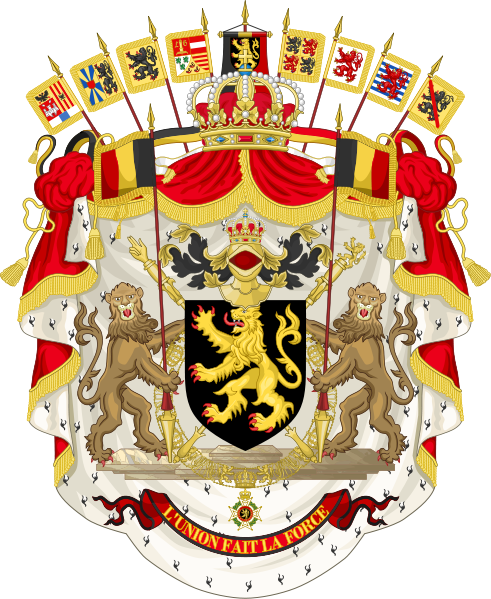
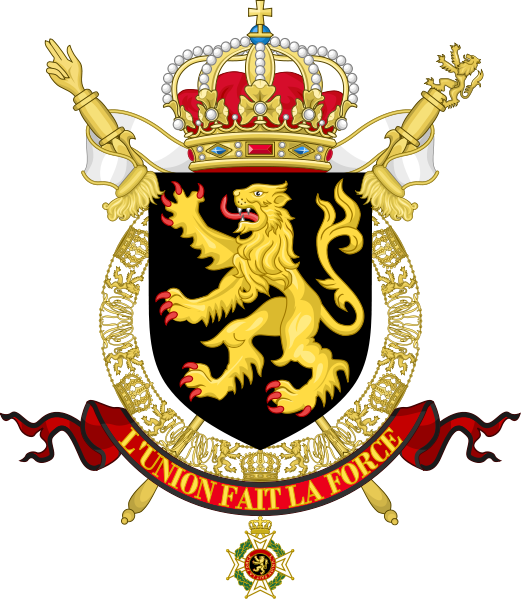
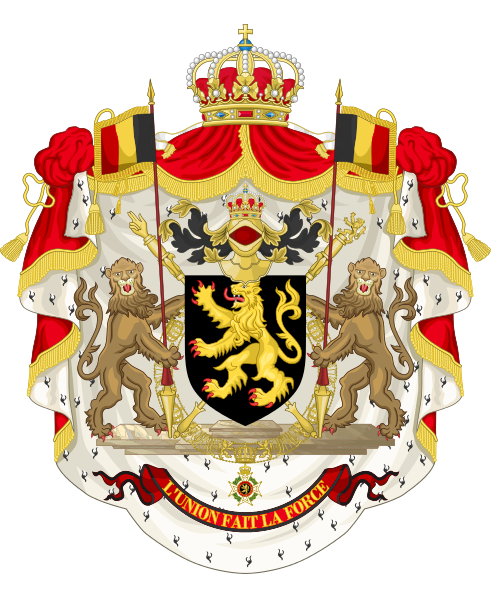
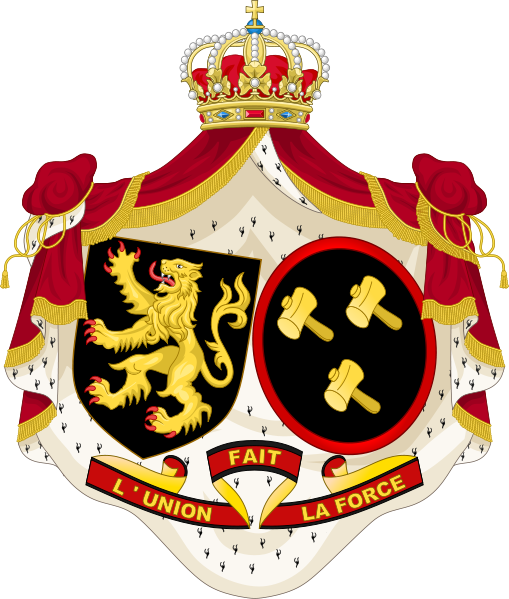
This weekend in Belgium King Albert II will officially abdicate and be succeeded by his son, the Duke of Brabant, who will become King Philippe I. There is no coronation ceremony in the Belgian monarchy. Instead, after a solemn Te Deum is sung at the cathedral there will be the formal abdication of the King. This is followed by the swearing in of the new King before the Belgian Parliament. The crown is used as a heraldic emblem by the King but an actual crown does not exist. The King rules by the consent of the people which is why there is no King “of Belgium” but instead a King “of the Belgians”. The arms above are of Philippe and his wife, Mathilde.
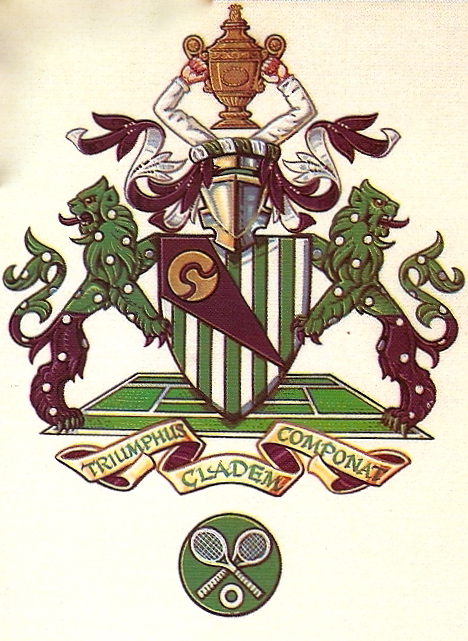
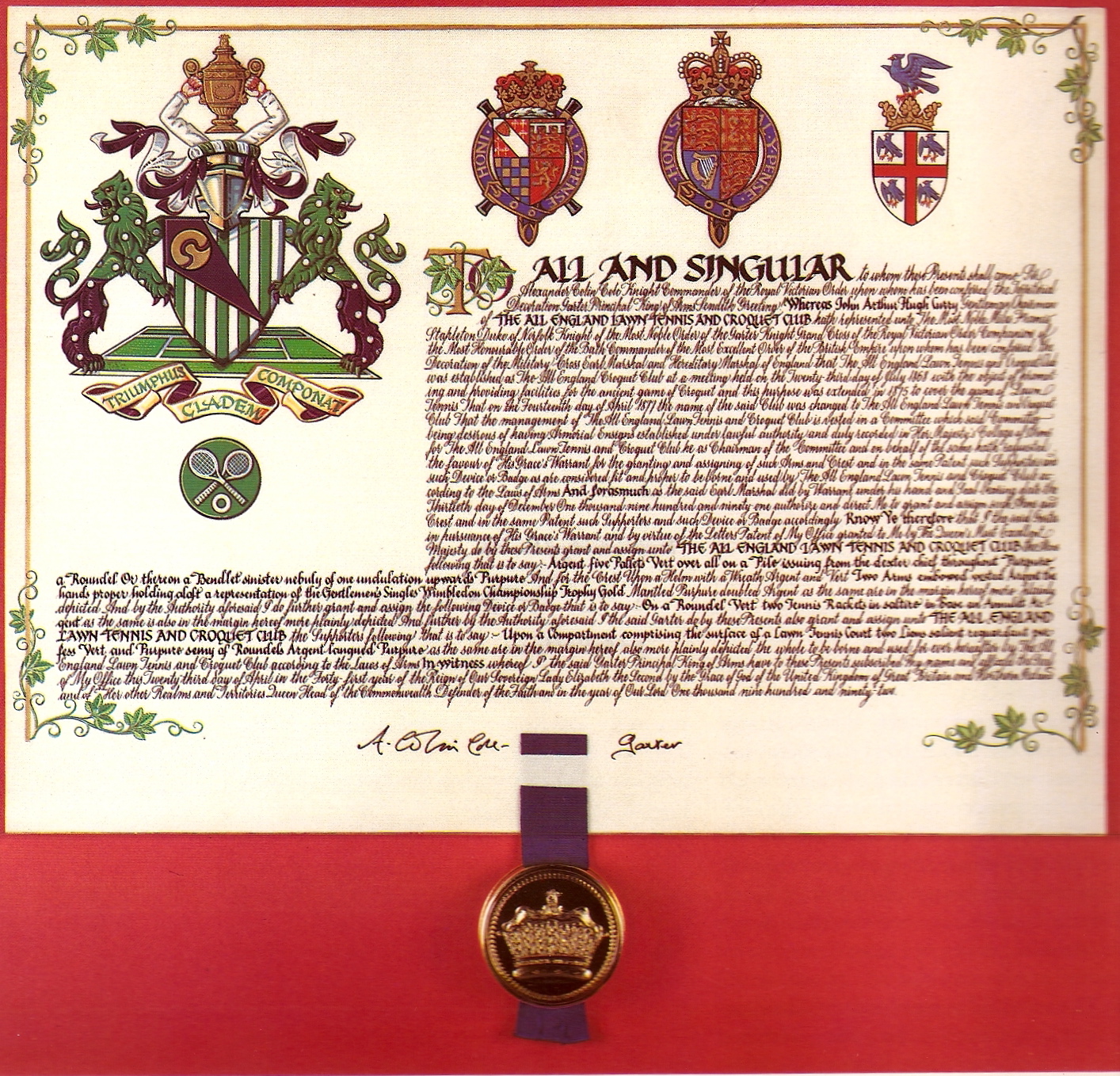
Congratulations to Andy Murray on his win of the championships at the All England Lawn Tennis and Croquet Club (more commonly known as Wimbledon). The first British man to win since 1936. Of course the AELTC has a coat of arms and a badge, which is more frequently used as a kind of “logo” granted under Garter Colin Cole in 1992. It is England, after all! The arms and badge are pictured above and the entire Letters Patent of the grant of arms is below.
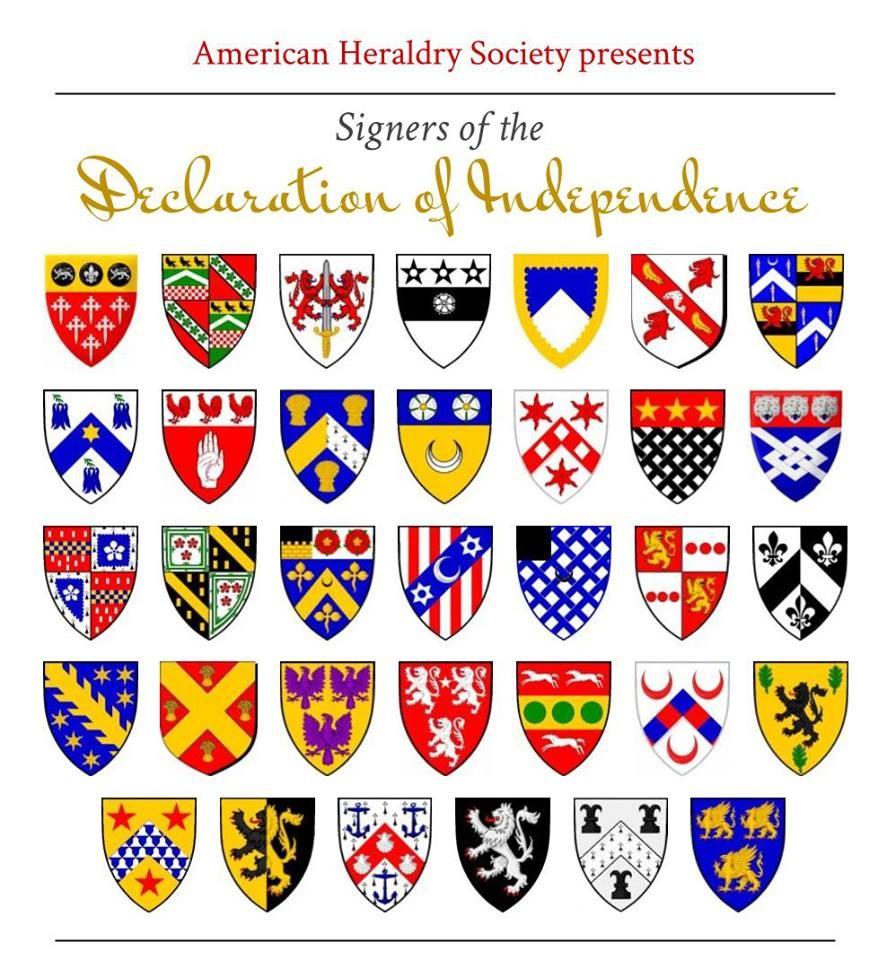
Thanks to the fine research and work of Mr. Joseph McMillan of the American Heraldry Society we know what the coats of arms of those armigerous (i.e. bearing a coat of arms) signers of the Declaration of Independence are. So much for the erroneous idea that heraldry is pointless and foreign in American culture. If you wish to see a key identifying them you can view it at the website of the American Heraldry Society.
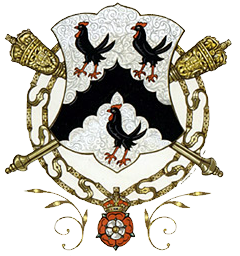
Saturday, June 22 is the Feast day of St. Thomas More (along with his fellow martyr to conscience, St. John Fisher) who was brutally murdered by the heretic-adulterer, Henry VIII for defending the Catholic faith. He served as Henry’s Chancellor and was one of the greatest intellects of his day. He is also regarded as one of the first great Christian Humanists.
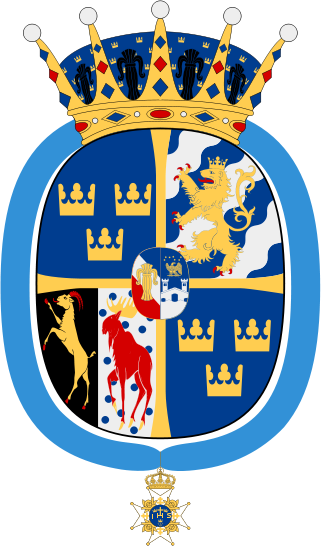
Congrats to Princess Madeleine of Sweden, Duchess of Hälsingland and Gästrikland on her marriage tomorrow to Mr. Chris O’Neill, an American who also has British citizenship, in the Royal Chapel in the palace at Stockholm. (her arms above; he has declined a title)
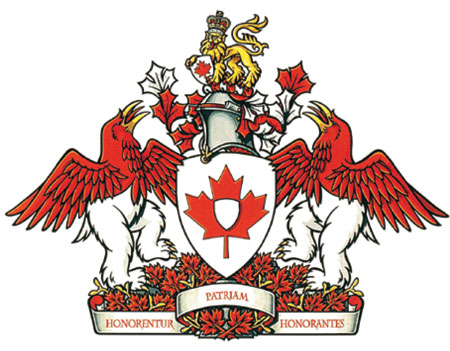
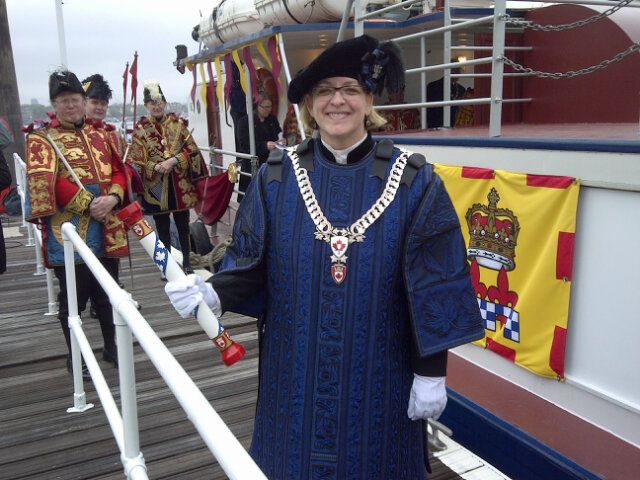
Pictured above is Claire Boudreau, the Chief Herald of Canada sporting the brand new tabard which depicts Canadian symbols on front and back and has the royal arms of the Queen of Canada on the sleeves. She also holds her ceremonial wand of office. This photo was taken during the river pageant for the Diamond Jubilee of Queen Elizabeth II.
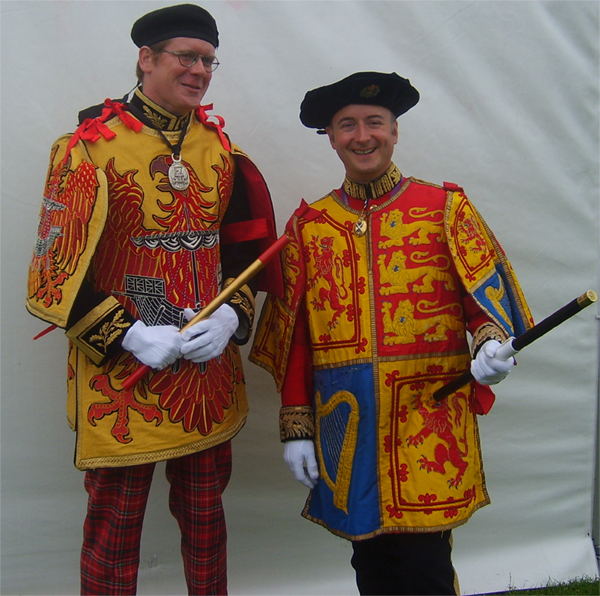
Here we see Finlaggen Pursuivant (one of the three private officers of arms maintained by the heads of different clans) Thomas Miers the officer of arms to the head of Clan Donald standing next to his predecessor, Adam Bruce, currently Unicorn Pursuivant to the Court of Lord Lyon wearing his tabard with the royal arms as used in Scotland where the quarter bearing the Scottish lion is repeated twice in the first and fourth quarters and the three lions of England take the secondary place.
Fr. Guy Selvester's blog of Ecclesiastical Heraldry
Fr. Guy Selvester's blog of Ecclesiastical Heraldry
Fr. Guy Selvester's blog of Ecclesiastical Heraldry
Fr. Guy Selvester's blog of Ecclesiastical Heraldry
Fr. Guy Selvester's blog of Ecclesiastical Heraldry
Fr. Guy Selvester's blog of Ecclesiastical Heraldry
Fr. Guy Selvester's blog of Ecclesiastical Heraldry
Fr. Guy Selvester's blog of Ecclesiastical Heraldry
Fr. Guy Selvester's blog of Ecclesiastical Heraldry
Fr. Guy Selvester's blog of Ecclesiastical Heraldry
Fr. Guy Selvester's blog of Ecclesiastical Heraldry
Fr. Guy Selvester's blog of Ecclesiastical Heraldry
 EXARANDORUM