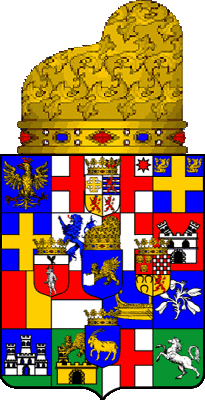
The Greater Coat of Arms of the Republic of Venice. A little busy but all their jurisdictions are in there! The patron saint of Venice is St. Mark (feast day: April 25).
The Greater Coat of Arms of the Republic of Venice. A little busy but all their jurisdictions are in there! The patron saint of Venice is St. Mark (feast day: April 25).
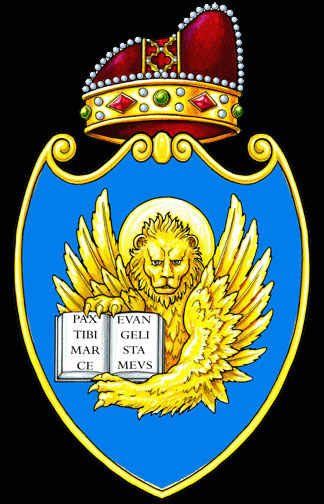
Coat of Arms of the Republic of Venice, topped by the Doge’s cap. The patron saint of Venice is St. Mark (feast day: April 25).
There are numerous organizations throughout the world for those interested in heraldry. Many specialize in the heraldry of a particular country and some are simply societies for the furtherance of the appreciation and knowledge of heraldry. Some of them are private organizations (membership by invitation). Many are open for anyone to apply for membership. Here are some of my favorites. (in the interest of full disclosure I am a member of those marked with an * and also an officer in those marked with a #)
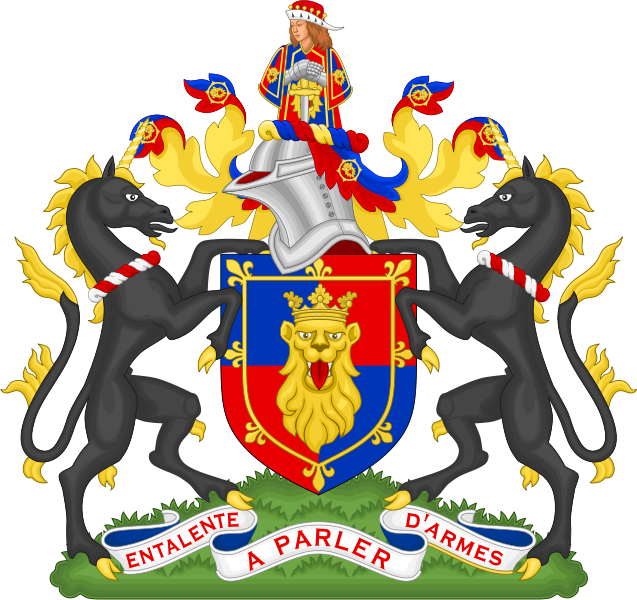
The Heraldry Society (England) *
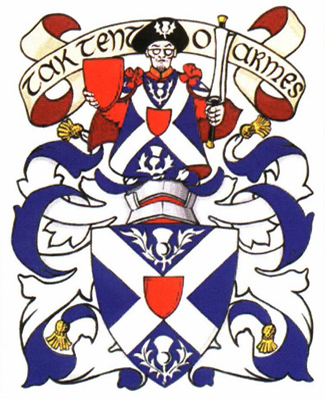
The Heraldry Society of Scotland
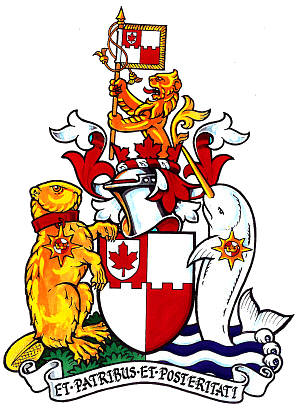
The Royal Heraldry Society of Canada *
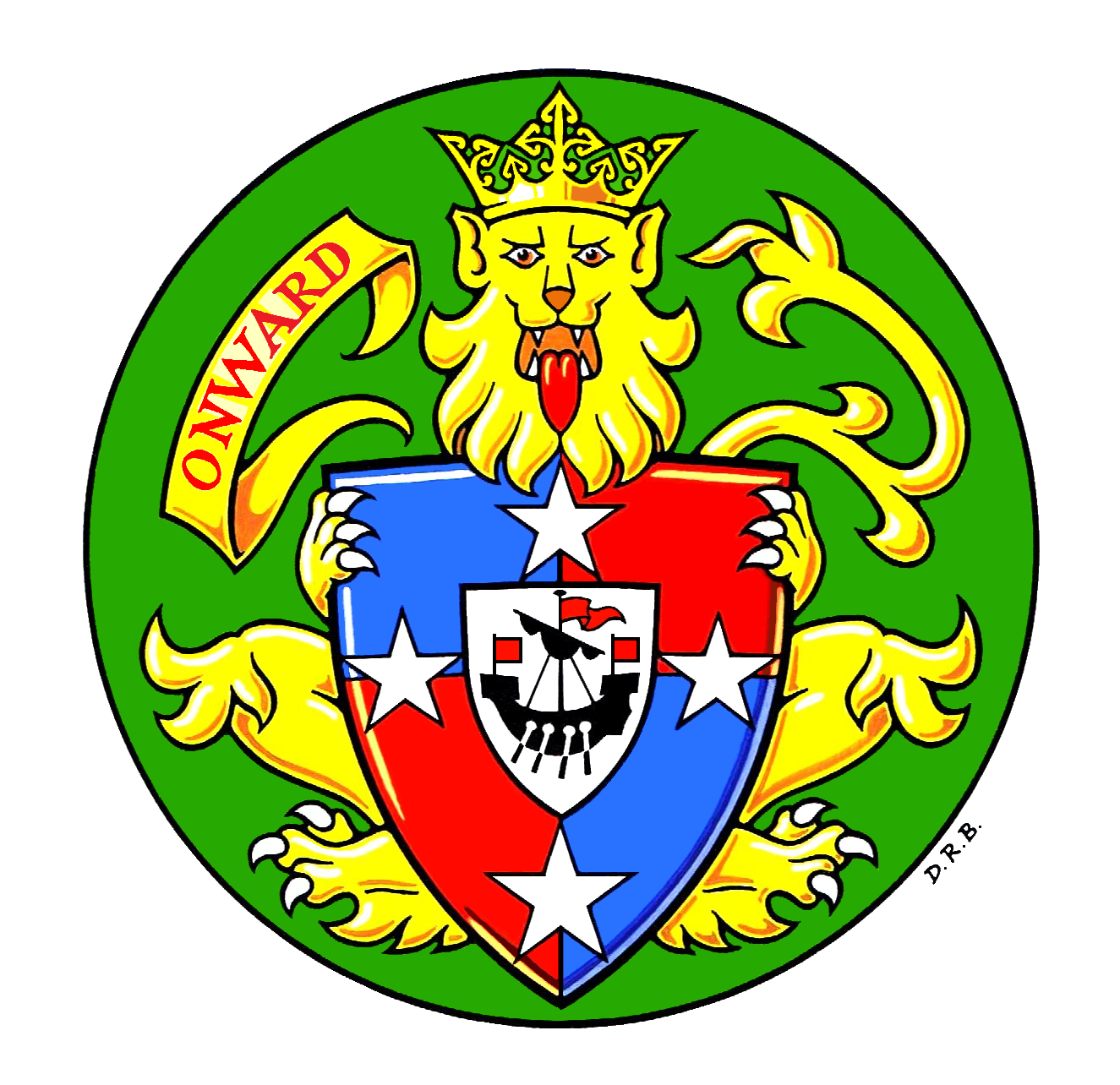
The Heraldry Society of New Zealand
The Australian Heraldry Society
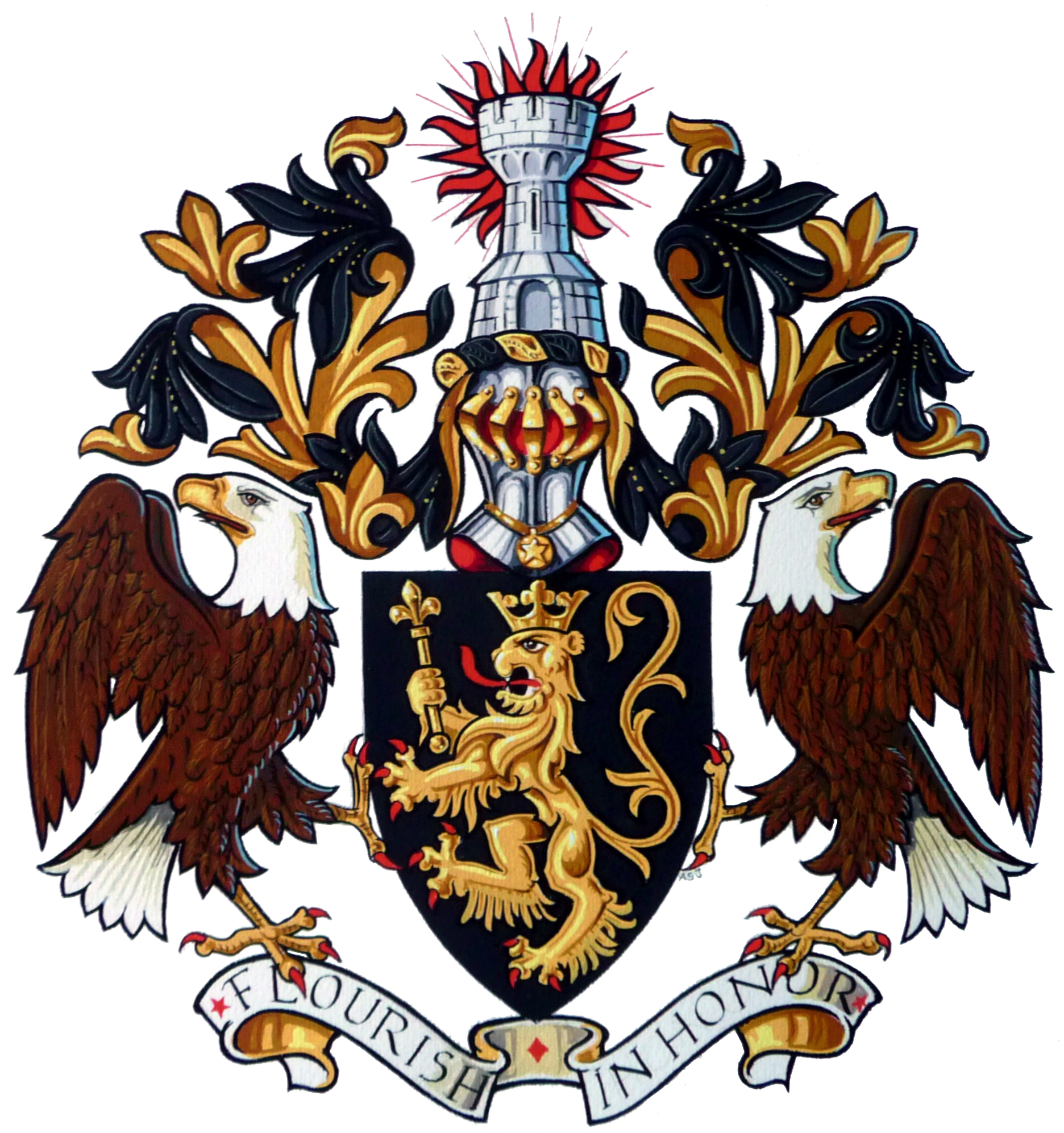
The American College of Heraldry * #
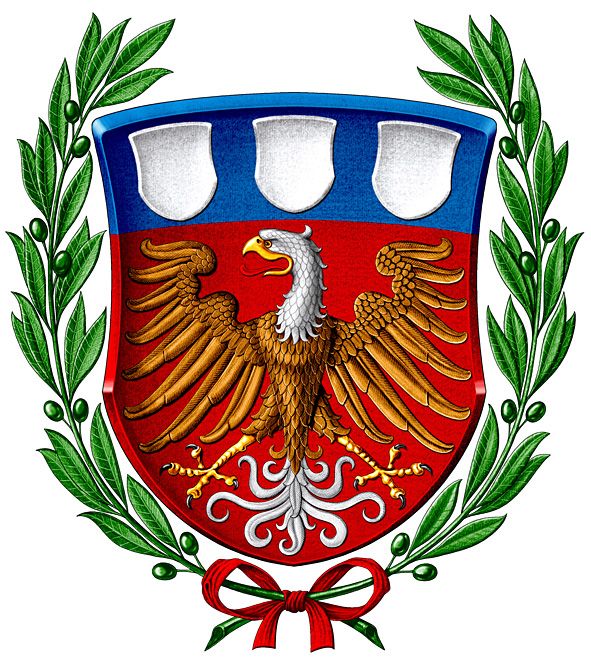
The American Heraldry Society * #
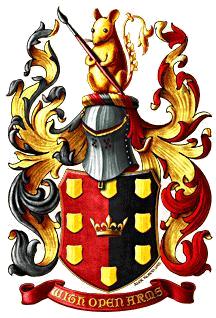
The International Association of Amateur Heralds *
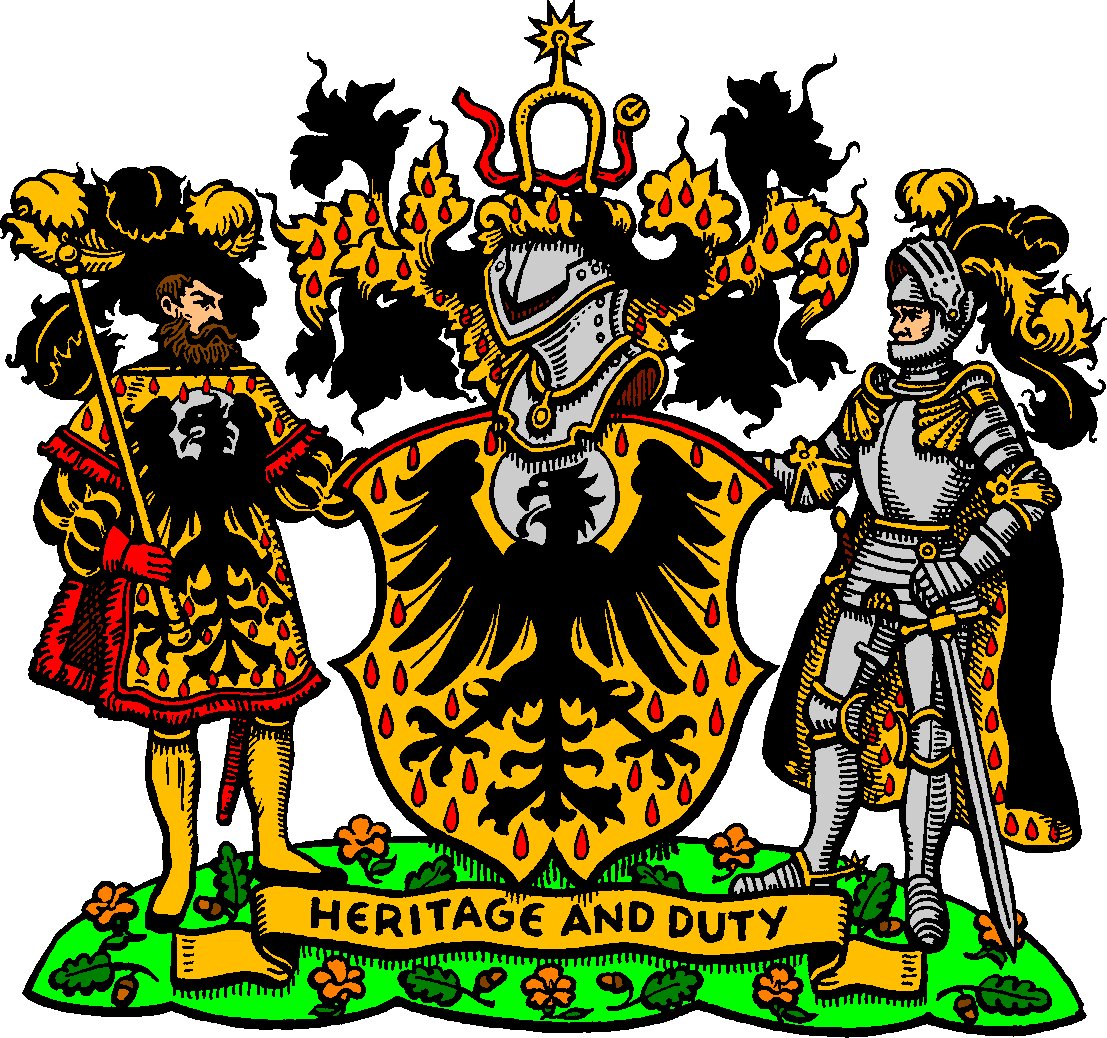
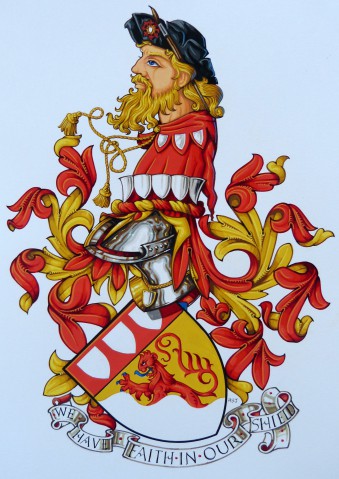
The Fellowship of the White Shield *
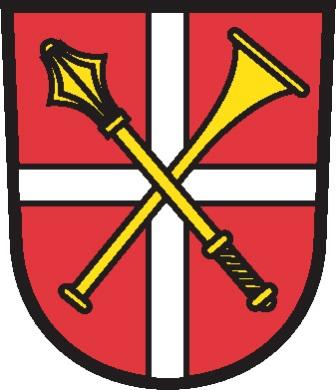
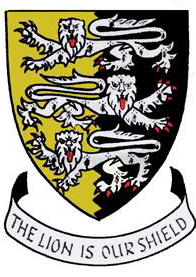
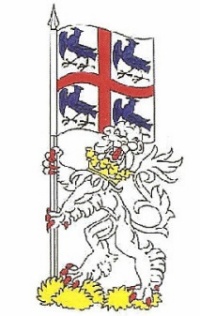
The White Lion Society (England)
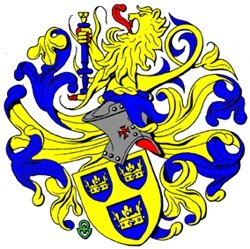
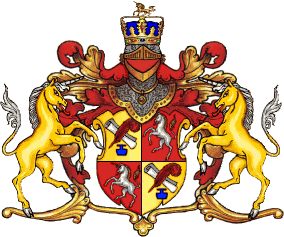
The Westphalian Heraldry Society
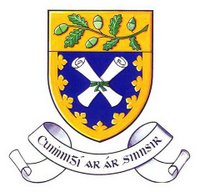
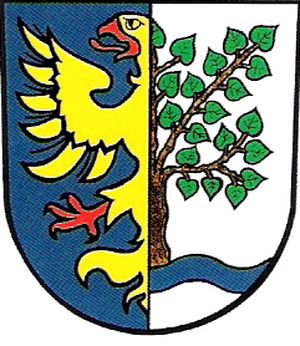
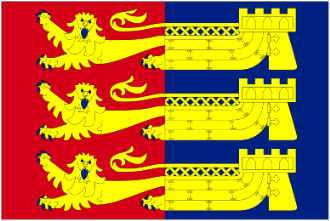
Several people have asked me to illustrate further just what the practice of combining two coats of arms together on one shield via the antiquated method of dimidiation looks like. This form of marshaling was used extensively in the Middle Ages but fell out in favor of impaling. With dimidiation, as the name implies each of the two coats of arms is split down the middle and only one half of each is depicted in the two halves of one shield. An excellent example of this are the arms of Dolní Lomná, a village in the Czech republic. The arms depict an eagle on one half and a tree on the other. Dimidiation obscures part of each of the coats of arms and also sometimes creates somewhat unusual looking creatures like this demi-eagle/demi-tree or even more amusingly the famous arms of the Lord Warden of the Cinque Ports who seems to bear lions that are also half boat!


The coat of arms of the late Baroness Thatcher. This version was done when she was made a Dame of the Garter. While the arms of women are usually depicted on an oval or lozenge shaped shield these are done on the heater shaped shield usually used by men. The inescutcheon (small plain shield in the center) is placed there to indicate these are not her husband’s arms or inherited from an armigerous ancestor but are, in fact, her own granted coat of arms.
UPDATE: Her husband’s arms which are completely different appear below.

Fr. Guy Selvester's blog of Ecclesiastical Heraldry
Fr. Guy Selvester's blog of Ecclesiastical Heraldry
Fr. Guy Selvester's blog of Ecclesiastical Heraldry
Fr. Guy Selvester's blog of Ecclesiastical Heraldry
Fr. Guy Selvester's blog of Ecclesiastical Heraldry
Fr. Guy Selvester's blog of Ecclesiastical Heraldry
Fr. Guy Selvester's blog of Ecclesiastical Heraldry
Fr. Guy Selvester's blog of Ecclesiastical Heraldry
Fr. Guy Selvester's blog of Ecclesiastical Heraldry
Fr. Guy Selvester's blog of Ecclesiastical Heraldry
Fr. Guy Selvester's blog of Ecclesiastical Heraldry
Fr. Guy Selvester's blog of Ecclesiastical Heraldry
 EXARANDORUM