Category Archives: Non-Ecclesiastical

Anniversary for Norroy & Ulster

This month marks the 80th anniversary of the office of Norroy and Ulster King of Arms. The office of Ulster King of Arms was created by King Edward VI on February 2,  1552, and for its first 36 years, appears to have been regarded as attached to the College of Arms; the two Ulsters in this period, Bartholomew Butler and Nicholas Narboon, had both been English Heralds before their appointment as Ulster. After the resignation of Narboon in 1588, subsequent Ulsters acted independently from the English College. On  January 30, 1908, King Edward VII appointed Captain Nevile Rodwell Wilkinson King of Arms and Principal Herald of all that part of the United Kingdom of Great Britain and Ireland called Ireland, with the title of Ulster. Wilkinson exercised this office, based in Dublin Castle, through a period of great political turmoil in Ireland until his death on December 22, 1940. The political circumstances in Ireland at this time led to the decision to return the office of Ulster to the College of Arms in London, with responsibility for Northern Ireland alone, and united with the office of Norroy.

On  January 29, 1931, King George V had appointed Algar Henry Stafford Howard, M.C., as King of Arms and Principal Herald of the North Part of England, with the title of Norroy. Howard still held this office on April 1, 1943, when King George VI additionally appointed him King of Arms and Principal Herald of that part of the United Kingdom of Great Britain and Northern Ireland called Northern Ireland, without prejudice to his existing appointment as Norroy and with the title of Ulster to be borne after that of Norroy. Howard held these joint offices until his promotion to Garter the next year, and on June 2, 1944, King George VI appointed Sir Gerald Woods Wollaston, K.C.B, K.C.V.O., King of Arms and Principal Herald of the North Part of England and of Northern Ireland, with the title of Norroy and Ulster, which has remained the form of the office to this day. The present Norroy and Ulster, Robert John Baptist Noel, was appointed by Queen Elizabeth II on April 6, 2021. He proclaimed the accession of His Majesty The King at Hillsborough Castle in Northern Ireland on September 10, 2022, the first time Ulster had performed such a duty in Ireland since the proclamation of King George V in Dublin on May 9, 1910.

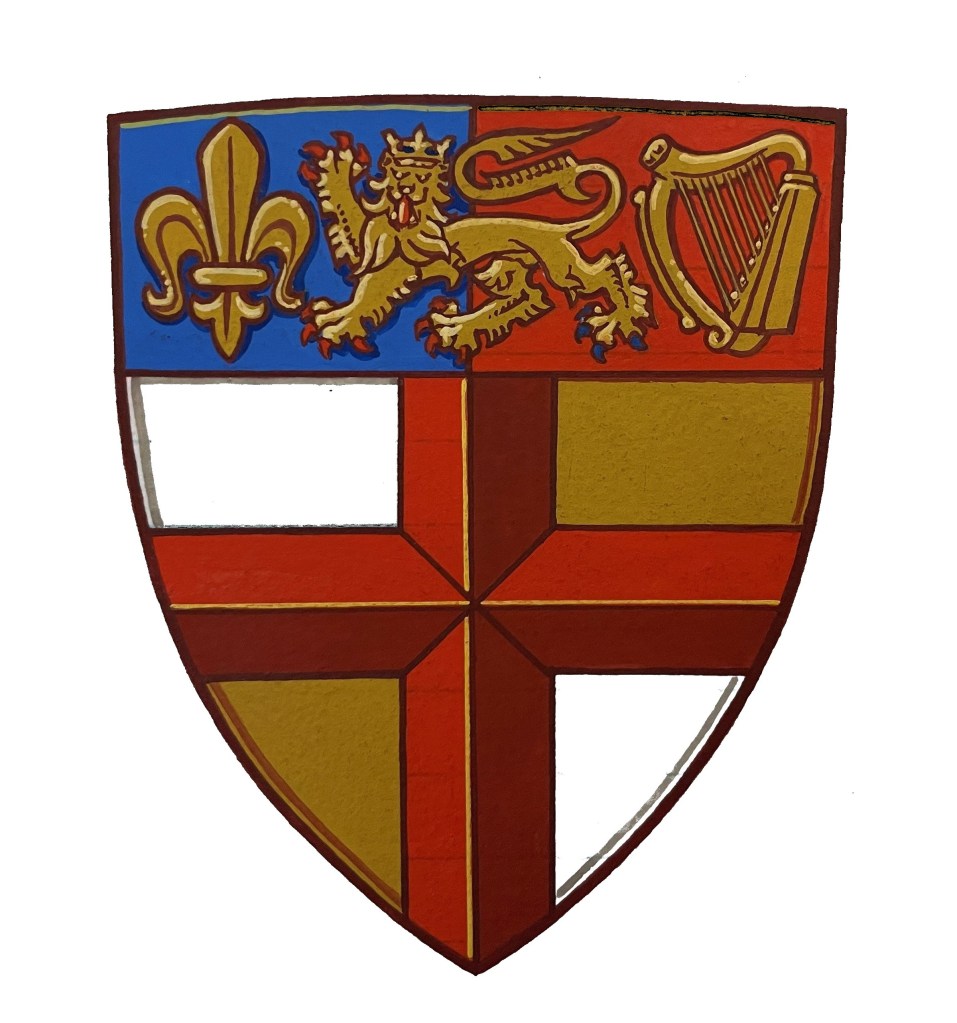
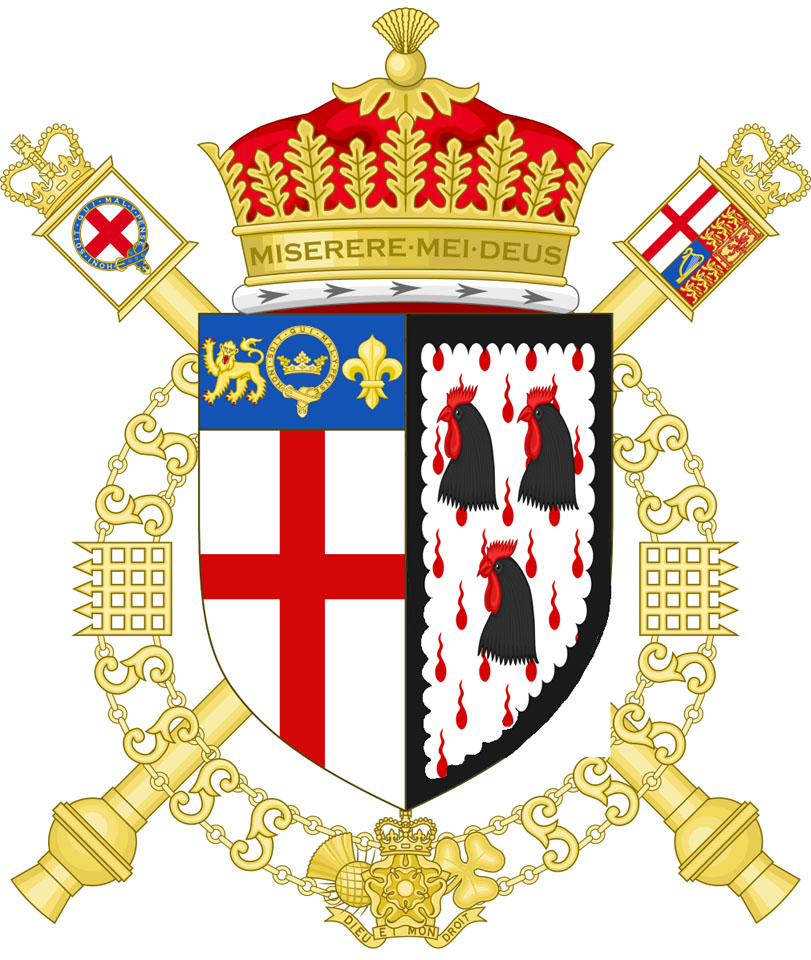
Between 1943 and 1980, holders of the office of Norroy and Ulster used the arms of office of one of the two offices, or both arms impaled on one shield. In 1980, Queen Elizabeth II approved new arms for the joint office. These are: Quarterly Argent and Or a Cross Gules on a Chief per pale Azure and Gules a Lion passant guardant crowned between a Fleur-de-lis and a Harp Or. Norroy and Ulster King of Arms is also ex officio King of Arms, Knight Attendant, Registrar, and Keeper of the Records of the Most Illustrious Order of Saint Patrick, offices which are purely nominal since the death of the last Knight of the order.

Text taken from the College of Arms Newsletter, No. 71 April, 2023
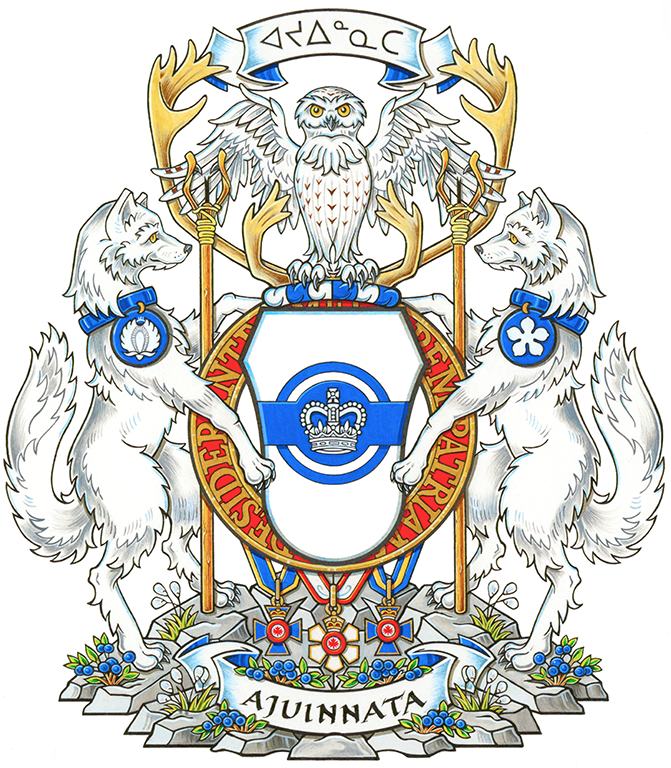
Governor-General of Canada’s Armorial Bearings

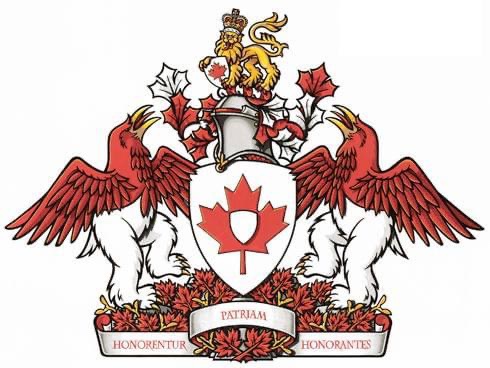
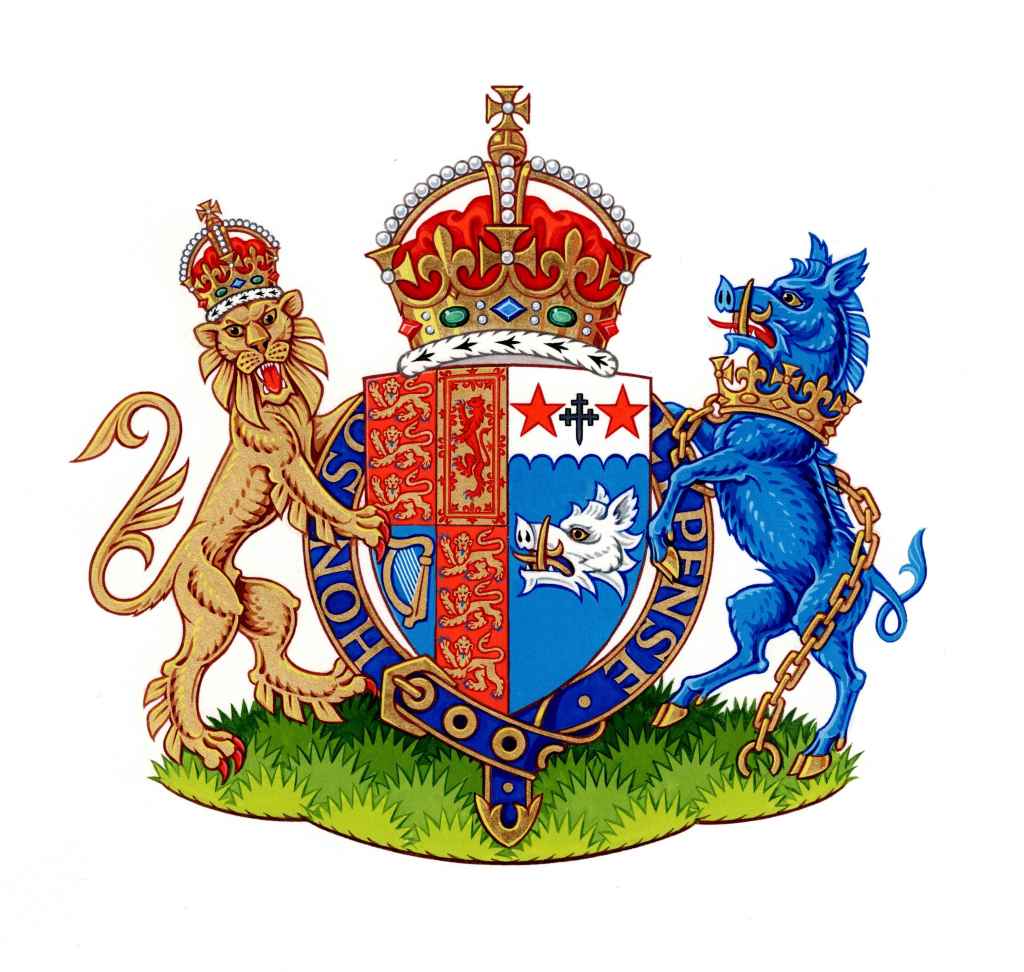
On October 28 the Canadian Heraldic Authority published the coat of arms that has been devised for the current Governor-General of Canada, Mary J. Simon, CC, CMM, COM, OQ, CD, FRCGS. Simon has been serving as Canada’s 30th Governor-General and representative of the King as Head of State since July 26, 2021. She is the first indigenous person to hold the office, being of Inuk origin.

For more information about the devisal of the coat of arms and the symbolism contained therein you can visit the website of the Governor-General’s Office HERE.

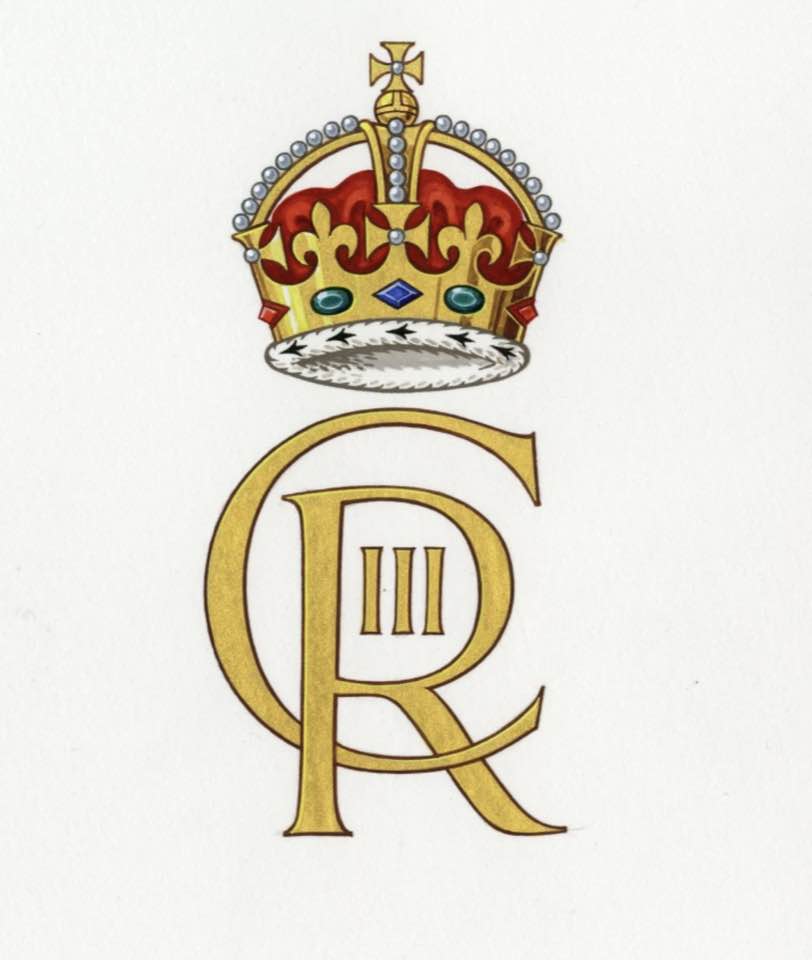
Charles III Royal Cypher

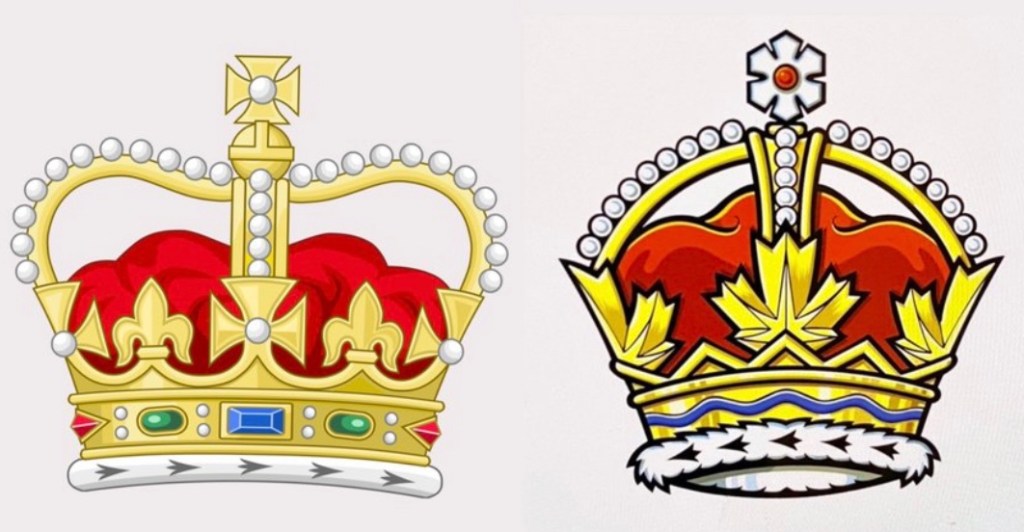
Buckingham Palace released the royal cypher to be used by King Charles III. It employs the “Tudor” crown rather than the stylized version of the St. Edward’s Crown favored by his late mother, Elizabeth II. Her four predecessors used this Tudor style crown in their cyphers as well as on their coats of arms. This has led to the erroneous belief that there is a “Queen’s crown” and a “King’s crown” used heraldically in British royal heraldry. That is not the case. It is simply a matter of each sovereign’s personal preference.

Death of Elizabeth II; Accession of Charles III

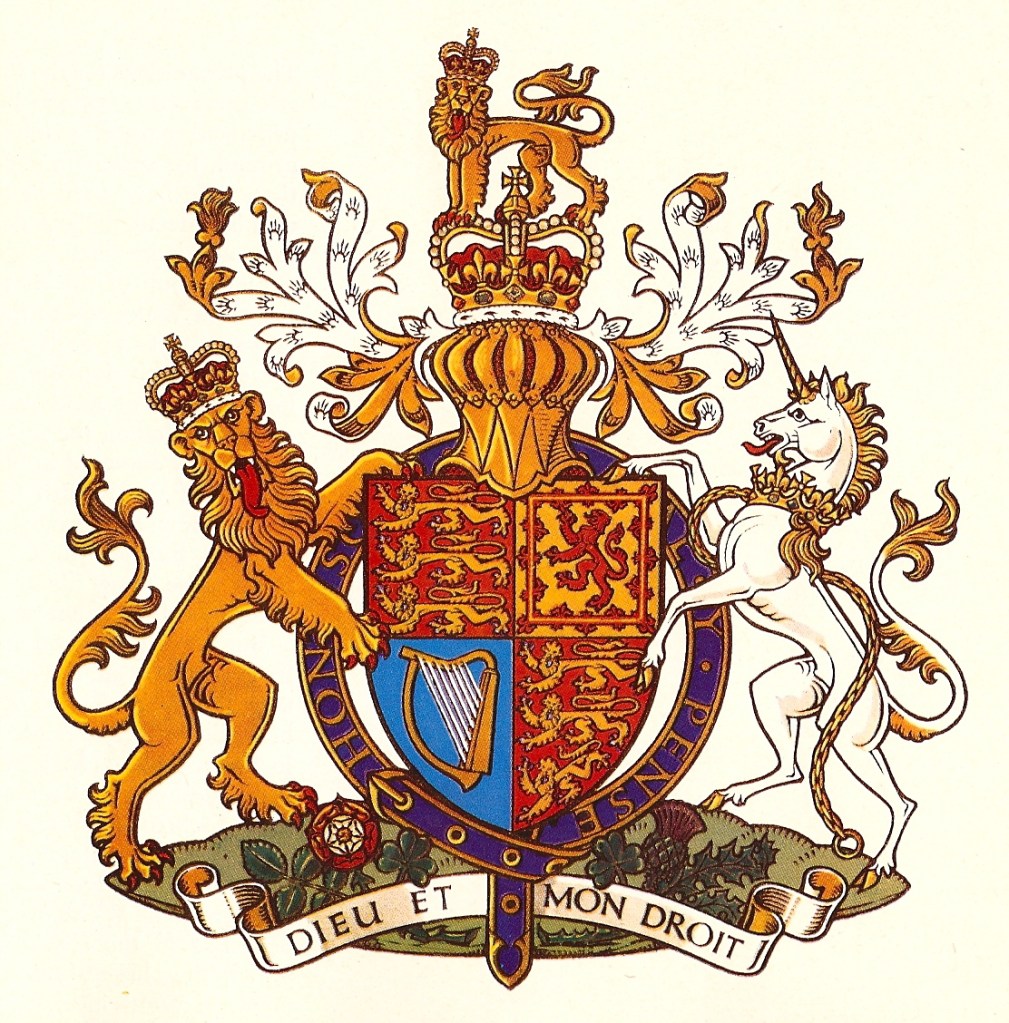
Today, HM Queen Elizabeth II died peacefully at Balmoral. Her eldest son immediately succeeded her becoming King Charles III. His son inherits his titles as heir to the throne and will now be Duke of Cornwall and Cambridge (among several other titles). King Charles will now relinquish the coat of arms he has borne since 1958 and the royal arms which had been used by his late mother since 1952, immediately becomes his coat of arms.

May she Rest in Peace. God Save the King!

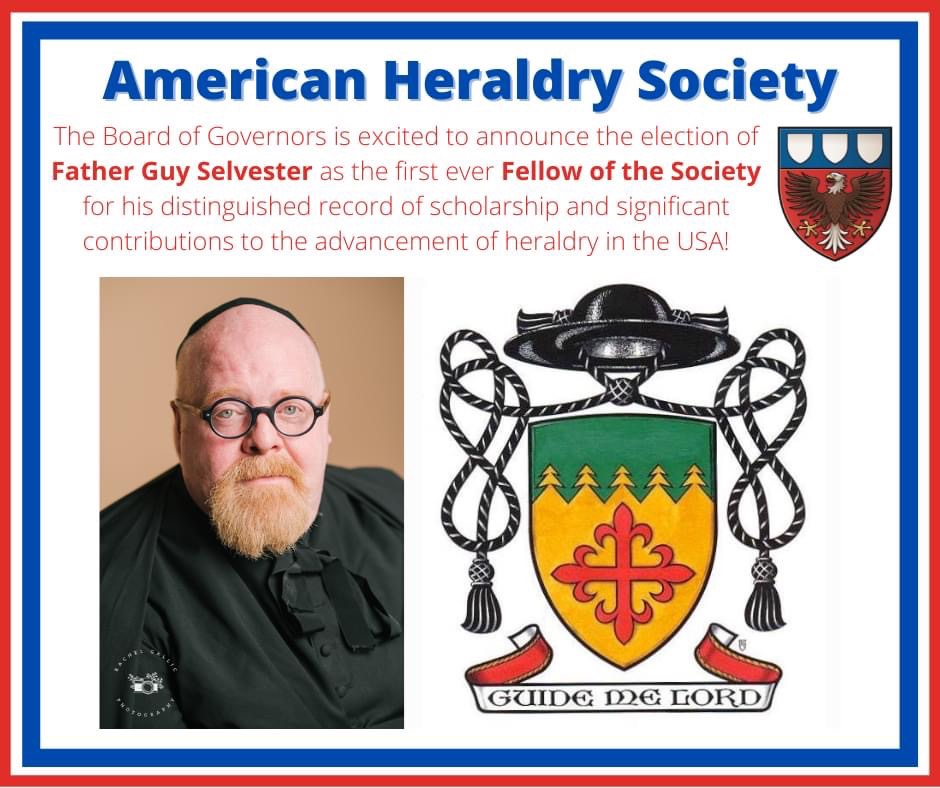
An Unexpected Honor

The Board of Governors of the American Heraldry Society voted unanimously at its July meeting to elect Father Guy Selvester as the first Fellow of the American Heraldry Society!

Father Guy has spent decades as a student and practitioner of heraldry and has become a respected expert in the field of ecclesiastical armory specifically. Many Bishops and Priests around the country bear arms designed by Father Guy and his writings on the subject are held in very high regard.

“The Board hopes this is a welcome recognition of the fine work that Father Guy continues to do promoting and improving heraldry in the United States and around the world! Congratulations!” said David Boven, president and founding member of the American Heraldry Society.

The honor of Fellow is awarded to any member of the Society who has compiled a distinguished record of scholarship and experience marked by significant contributions to the advancement of heraldry or an auxiliary science of heraldry. Since the inception of the award in 2013, no individual has been nominated or elected as Fellow by the Society until now.

New Lieutenant of the Order of Malta

Frá John T. Dunlap, member of the Sovereign Council and Order of Malta, American Association, was appointed as the Lieutenant of the Grand Master of the Sovereign Order of Malta by Pope Francis this morning.
 
Frá John T. Dunlap succeeds Frá Marco Luzzago who passed away on June 7th last week. He will be sworn in on June 14th in the Church of Santa Maria in Aventine in front of Cardinal Silvano Maria Tomasi and the Sovereign Council of the Order of Malta after Frá Marco Luzzago’s solemn funeral. The new Lieutenant Grand Master together with the Pope’s Special Delegate and the Sovereign Council will continue the process of constitutional reform of the Sovereign Order of Malta.
 
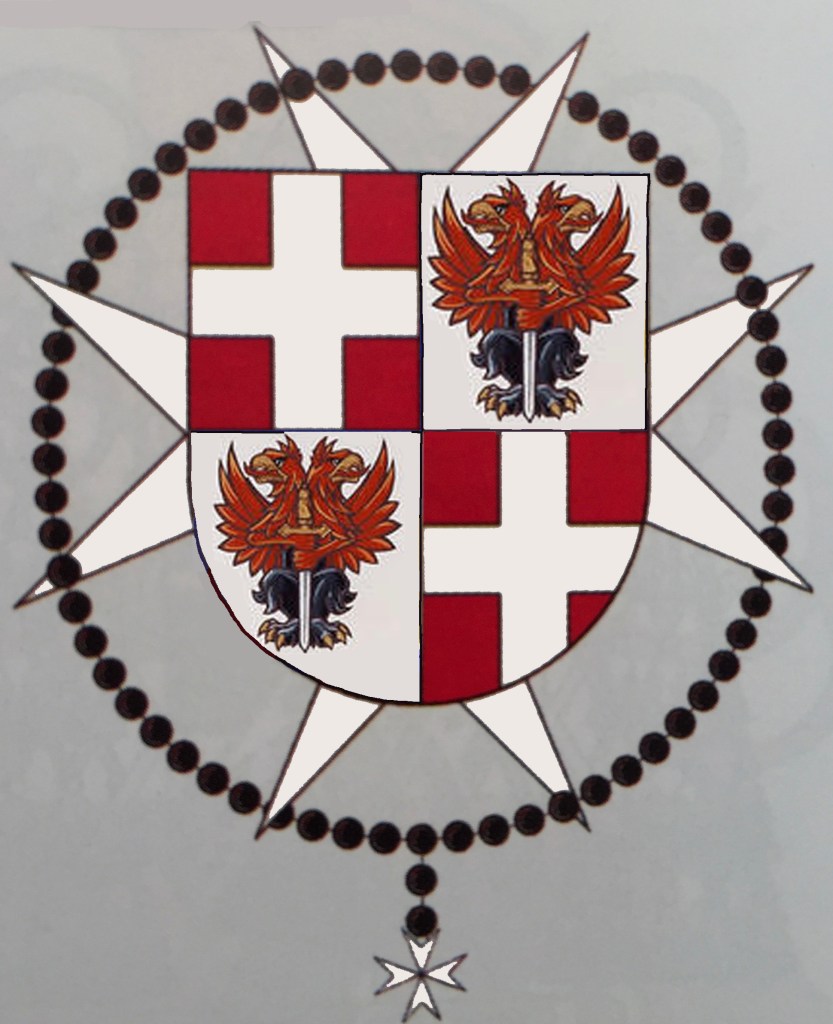
His arms were granted by the Governor General of Canada to his late father in 2003. They are now quartered with the arms of the Order of Malta.


Epiphany: The Attributed Arms of the Magi

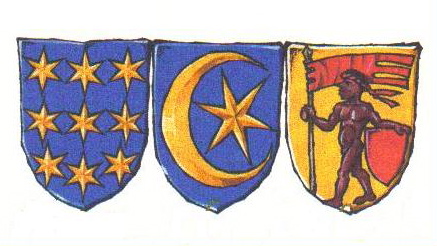
We see here the attributed coats of arms of the Three Magi, or Wise Men who are traditionally named Kaspar, Melchior and Balthazar. Of course, we don’t really know their names and they also existed before heraldry did. In fact, some Biblical scholars question whether or not they even existed at all or are merely symbolic. We also don’t know from the Scriptures that there were three of them, only that they brought three gifts of gold, frankincense and myrrh. It is assumed, safely I think, that they each bore one gift so that there must have been three of them.

This version of their arms is nicely rendered by Marco Foppoli.

Thanksgiving

In the United States the last Thursday in November is always observed as Thanksgiving Day. Ostensibly, it commemorates a 1621 event celebrating a good harvest shared by the new colonists arrived from Plymouth, England( now called “Pilgrims”) who came to these shores seeking religious and economic freedom and the Native American Wampanoags who lived here already. The observance as it exists now in the US and its Territories dates as far back as 1863 but having it fixed on the fourth Thursday in November occurred in 1941 under President Franklin Roosevelt. From 1939 to 1941 it had been fixed on the next to last Thursday in November for business reasons but a joint resolution in Congress changed it to the fourth Thursday in November where it has remained since.

Some armorial devices that are somewhat related to Thanksgiving include:

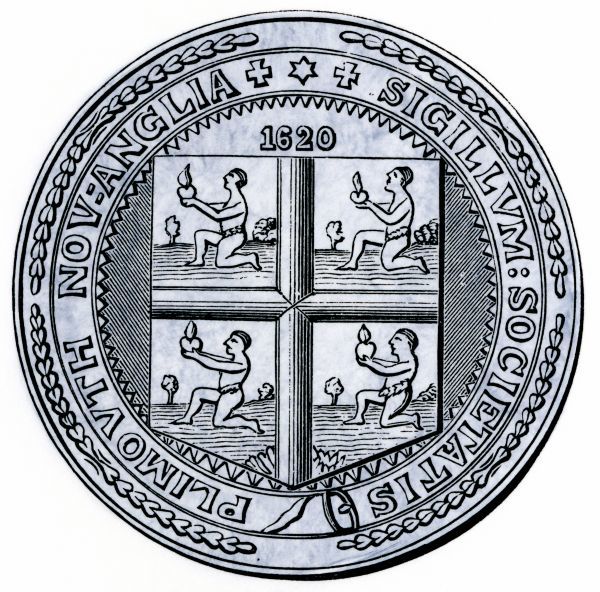
The first seal of the Plymouth Colony
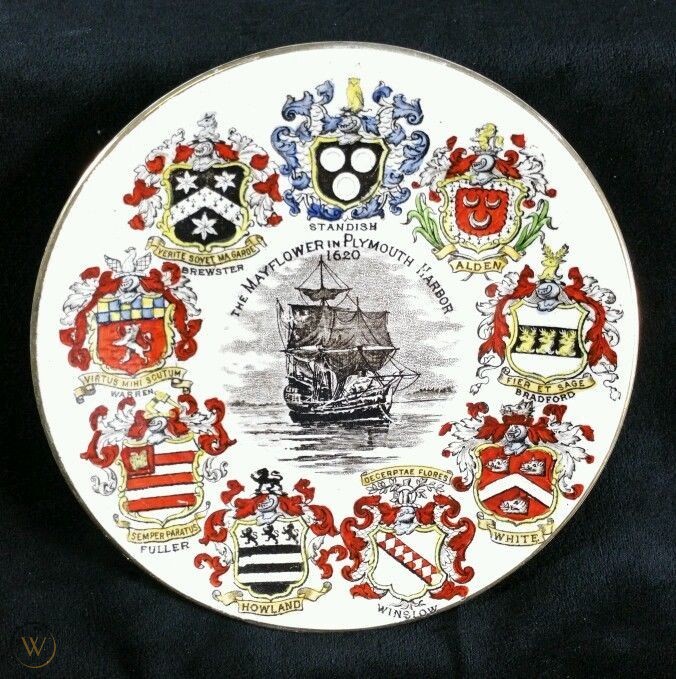
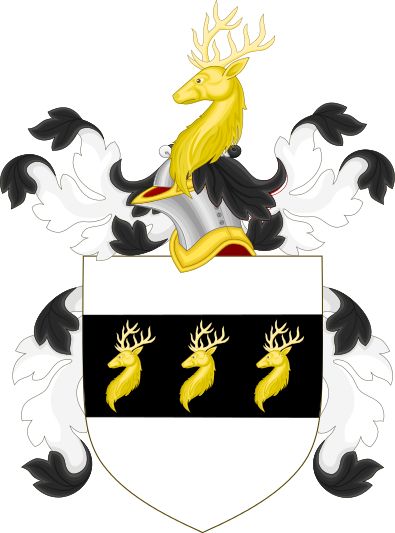
The armorial bearings of a number of the families who sailed on the Mayflower
The coat of arms of Governor William Bradford of the Plymouth Colony
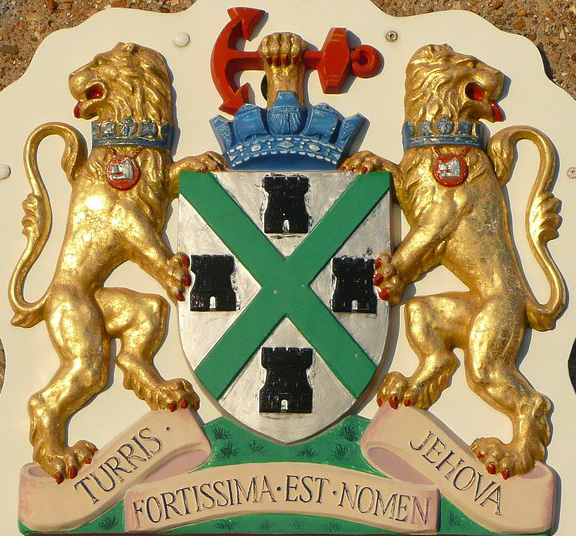
The coat of arms of Plymouth, England
Armorial bearings of Franklin D. Roosevelt

Colin Powell 1937-2021

US Army General Colin Luther Powell, who served as U.S. Secretary of State from 2001-2005, as Chairman of the Joint Chiefs of Staff from 1989-1993 and as National Security Advisor from 1987-1989 died on October 18, 2021 at age 84 from blood cancer and Parkinson’s Disease both of which had been complicated by Covid-19.

Some people knew, but many didn’t, that Powell had British ancestry and that his father, Luther Powell, had been granted a coat of arms by Her Majesty through Lord Lyon King of Arms in Scotland. In addition, Lord Lyon granted a unique crest to General Powell. The achievement is:

When Lord Lyon Robin Blair travelled to Washington, DC to deliver the Letters Patent of the grant to General Powell in 2004 he attended a cocktail party the night before in suburban Virginia given by American members of the Heraldry Society of Scotland. I was at that party. Lord Lyon was kind enough to bring the Letters Patent with him to the party for all of us heraldic enthusiasts to see. So, we were all privileged to see the grant even before Colin Powell did!

May he rest in peace.

The version above was rendered by Andrew Stewart Jamieson.

Olympic Heraldry

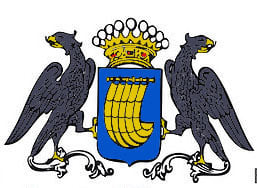
Since 1894 there have been nine Presidents of the International Olympic Committee (IOC). Five of them have also been armigerous in their own right. The first IOC President, Demetrius Vikelas, was not and neither were the fourth, Sigfrid Edström, the fifth, Avery Brundage, or the ninth and current IOC President, Thomas Bach.

Pierre, Baron de Coubertain, the “Father” of the modern Olympics. 2nd IOC President 1896-1925
Henri, Comte de Baillet-Latour 3rd IOC President 1925-1942
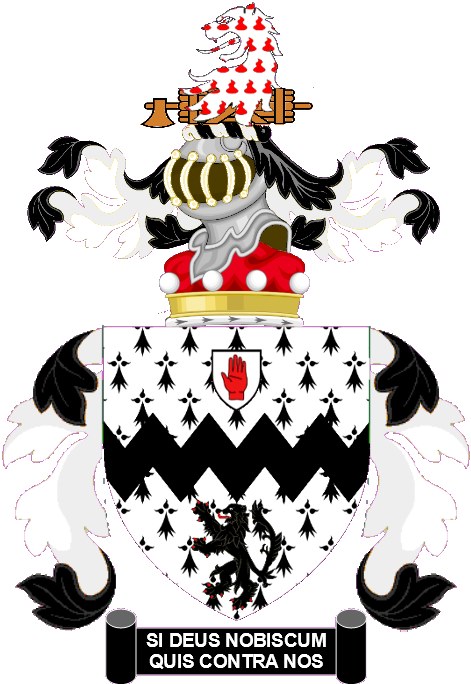
Michael Morris, Baron Killanin 6th IOC President 1972-1980
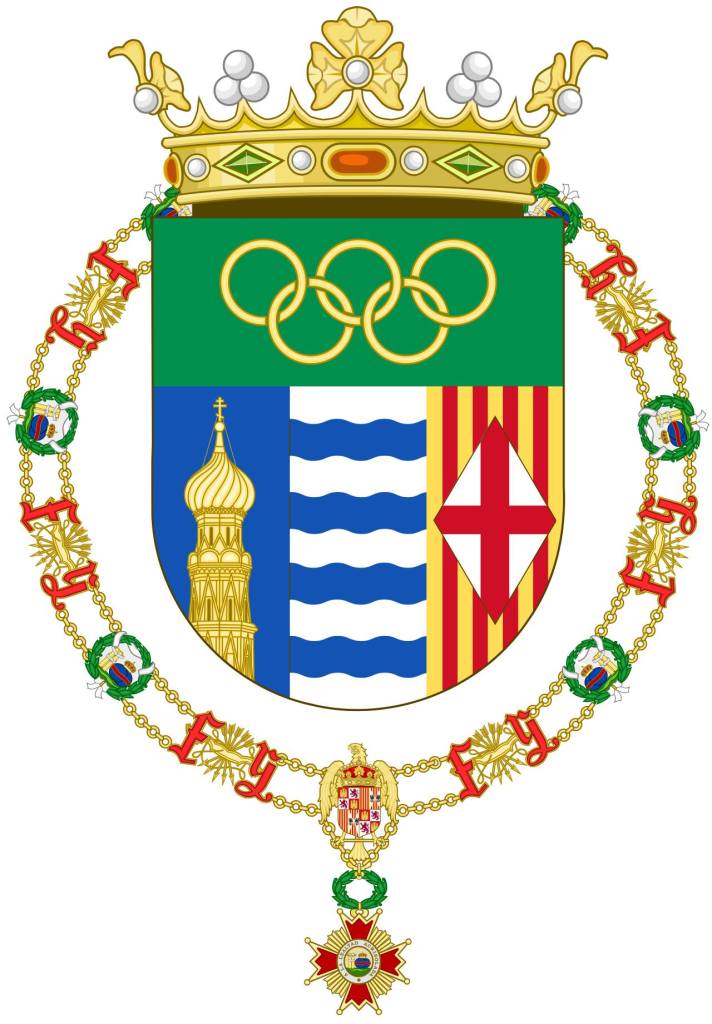
Juan Antonio, Marquess of Samaranch 7th IOC President 1980-2001
Jacques, Count Rogge 8th IOC President 2001-2013

New Garter

On July 2 David Vines White (59) was appointed Garter Principal King of Arms at HM College of Arms in London. This is the most senior of the three Kings of Arms. He had previously been Somerset Herald and before that Rouge Croix Pursuivant. He succeeds Sir Thomas Woodcock who has served as Garter since 2010. Congratulations to the new Garter King of Arms!

Duke of Sussex Coat of Arms

In light of the recent announcement that the Duke and Duchess of Sussex (aka Prince Harry & Meghan) will be stepping back from duties as senior royals and, consequently no longer styling themselves as “royal highness” not a few people have contacted me to ask out of curiosity if this in any way will have an impact on the coats of arms they both use.

The simple answer is, “No”.

As the grandson of the sovereign Prince Harry employs a coat of arms that indicates he was born a grandson of the sovereign. British royal heraldry is different than many other countries in that the sovereigns children and grandchildren generally bear the royal arms differenced by a variety of labels of either three or five points and the points are charged with marks of difference. That’s really rather boring if you asked me but that’s what they do and they haven’t asked me!

So, when he turned 18 Harry was granted his own arms depicting the royal arms difference by a label of five points the first, third and fifth of which are charged with a red escallop shell. The shell is a charge borrowed from the coat of arms of his late mother, Diana (neé Spencer).

His supporters were also charged with the label for difference and the arms are surmounted by a special coronet used by the children of the heir to the throne. In addition, the royal crest is also charged with the label for difference.

Upon marrying his wife Harry was created Duke of Sussex. Nothing in his coat of arms was modified to reflect this title. Consequently, there is nothing to change in his coat of arms to reflect his new status of stepping down from a senior position in the royal family. He is still a grandson of the sovereign and son of the heir to the throne; he is still the Duke of Sussex; he is still actually an “HRH” but will choose not to style himself as such.

In fact, even after his grandmother passes away and he is the son of the sovereign and, indeed, even after his father passes away and he is the brother of the sovereign the crown used on his arms will remain unchanged as the crown for the child of the heir is identical to the crown used by children of the sovereign and siblings of the sovereign.

So…no changes.

Prince of Wales’ Investiture 50 years on…

On July 1, 1969 Prince Charles was formally invested as Prince of Wales and Earl of Chester. He had been given these titles in 1958 and had, from the time of his mother’s accession to the throne been the Duke of Cornwall, the title traditionally held by the heir apparent to the British throne. This year marks the 50th anniversary of the event.

In 2017 Prince Charles surpassed the record set by his illustrious ancestor, King Edward VII, by becoming the longest-serving Prince of Wales in history.

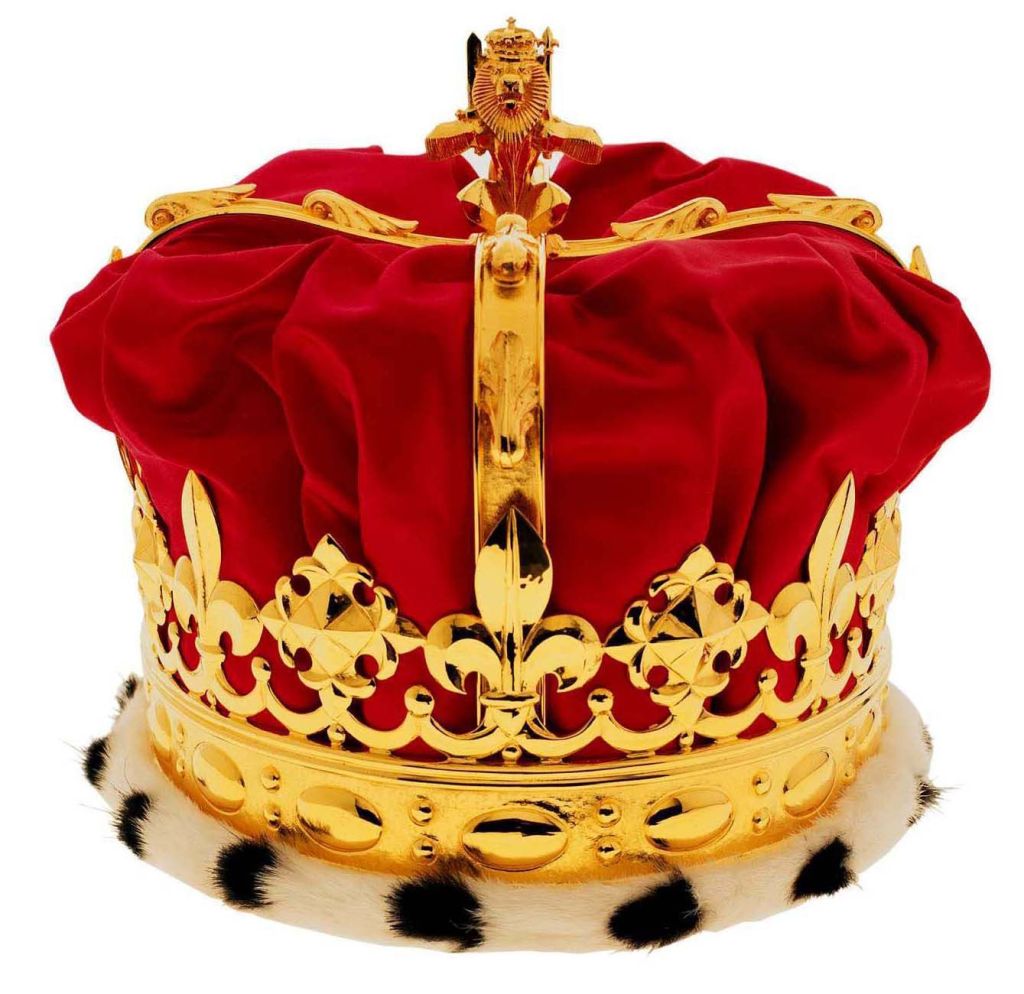
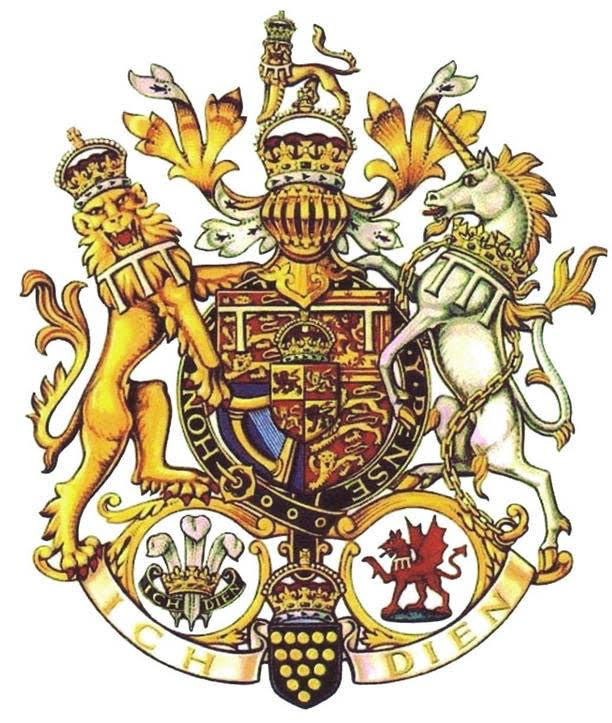
His arms (above) appear very much like those of his mother except that his are differenced by a white label (repeated on both supporters and the badge for Wales as well); in place of the compartment there is a device intertwining his motto and his badges as well as a small shield with the arms of Cornwall; there is an inescutcheon for Wales; and the crowns on the helm, the two small shields and the lion supporter all have a single arch as befits a Princely crown rather than a royal one which has two arches.

God Bless the Prince of Wales!